A collaboration between the Irish Society for Parasitology and the Natural History Division.
By Dr Jason Keegan, Dr Amy Geraghty, and Dr Christopher Coates
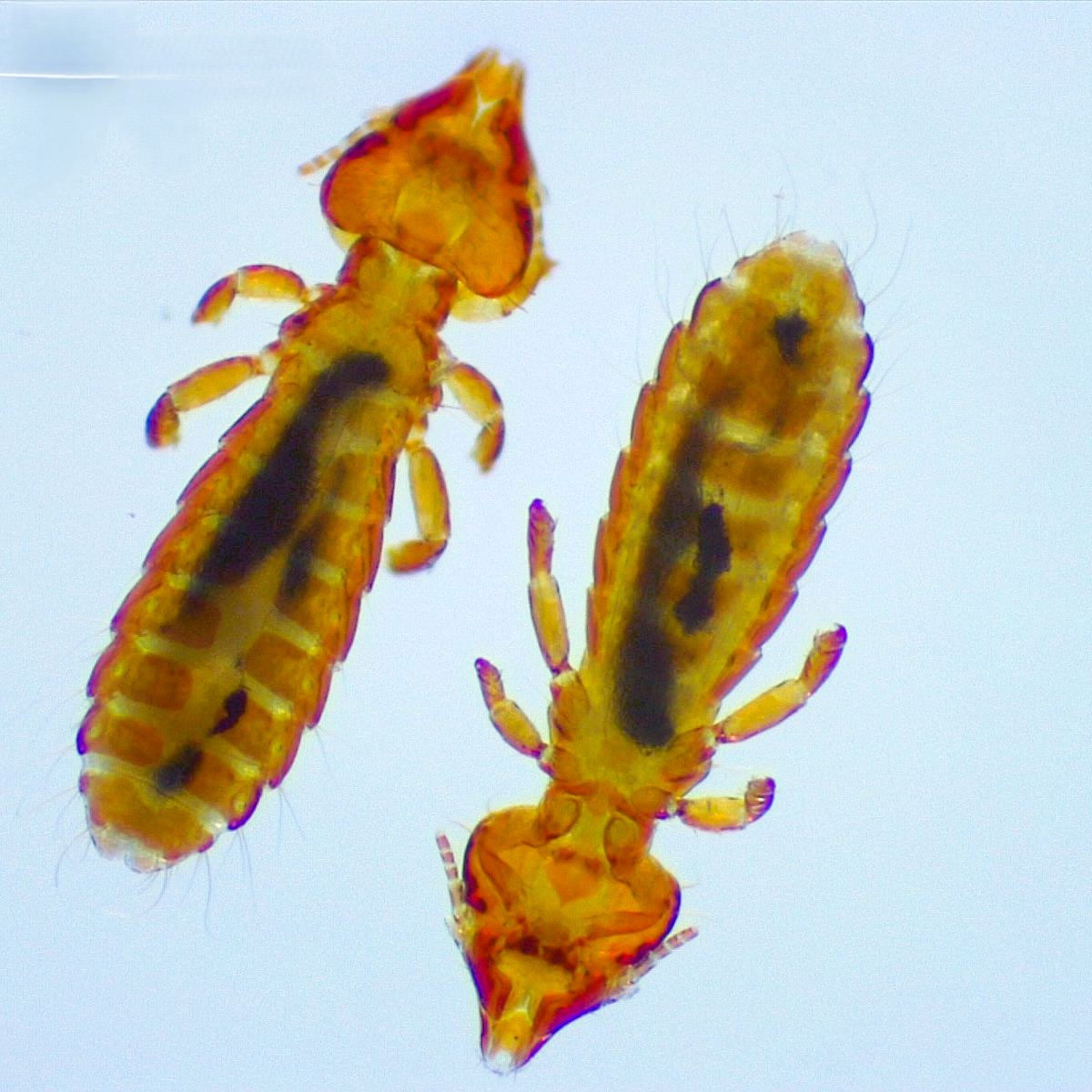
“Parasites” can mean many things. They, by definition, are organisms that live on or in hosts, causing them some harm and include a range of life from bacteria to bot flies to crustaceans. Here we will introduce you to the often-overlooked world of parasites. They are rarely noticed but can be found everywhere, and can teach us a lot about biodiversity, evolution, ecology, and health.
Parasitology is the study of parasites, their hosts, and the relationships between them. Parasitologists preserve these organisms to uncover hidden interactions between individuals, species, habitats, and to test if and how these change over time. Natural History collections are increasingly important to test for long-term changes in parasite species or their abundance.
Ireland has a good track record in the study of parasites. “It is time for parasites to get a little more respect!” is a quote from the acceptance speech of our Nobel laureate, William Campbell. In 2015 he, with two other scientists, won on the Nobel Prize in Physiology or Medicine for their discovery and development of new anti-parasitic drugs. These drugs saved countless lives and are still the foundation of many parasite control programs and animal production systems.
We contain multitudes
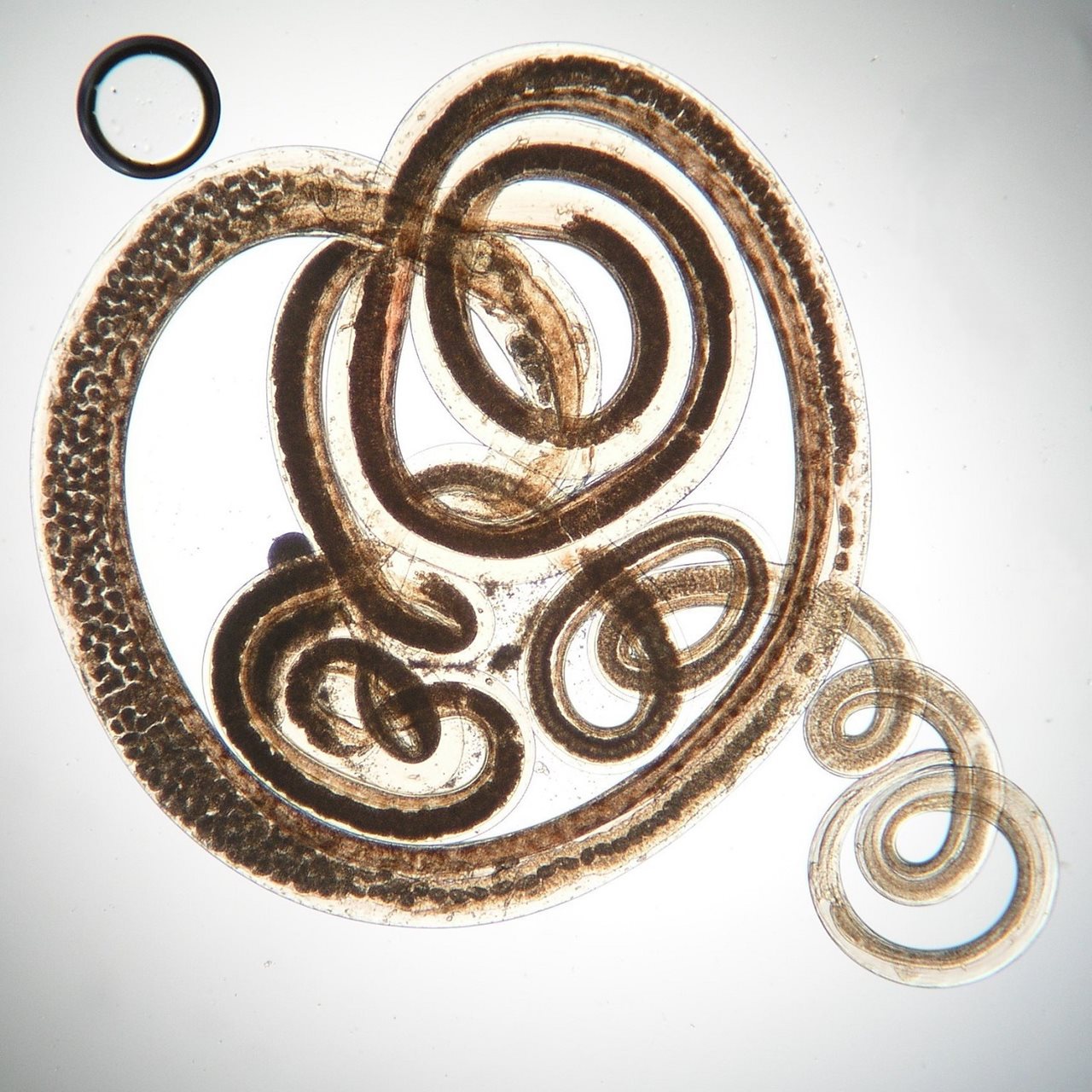
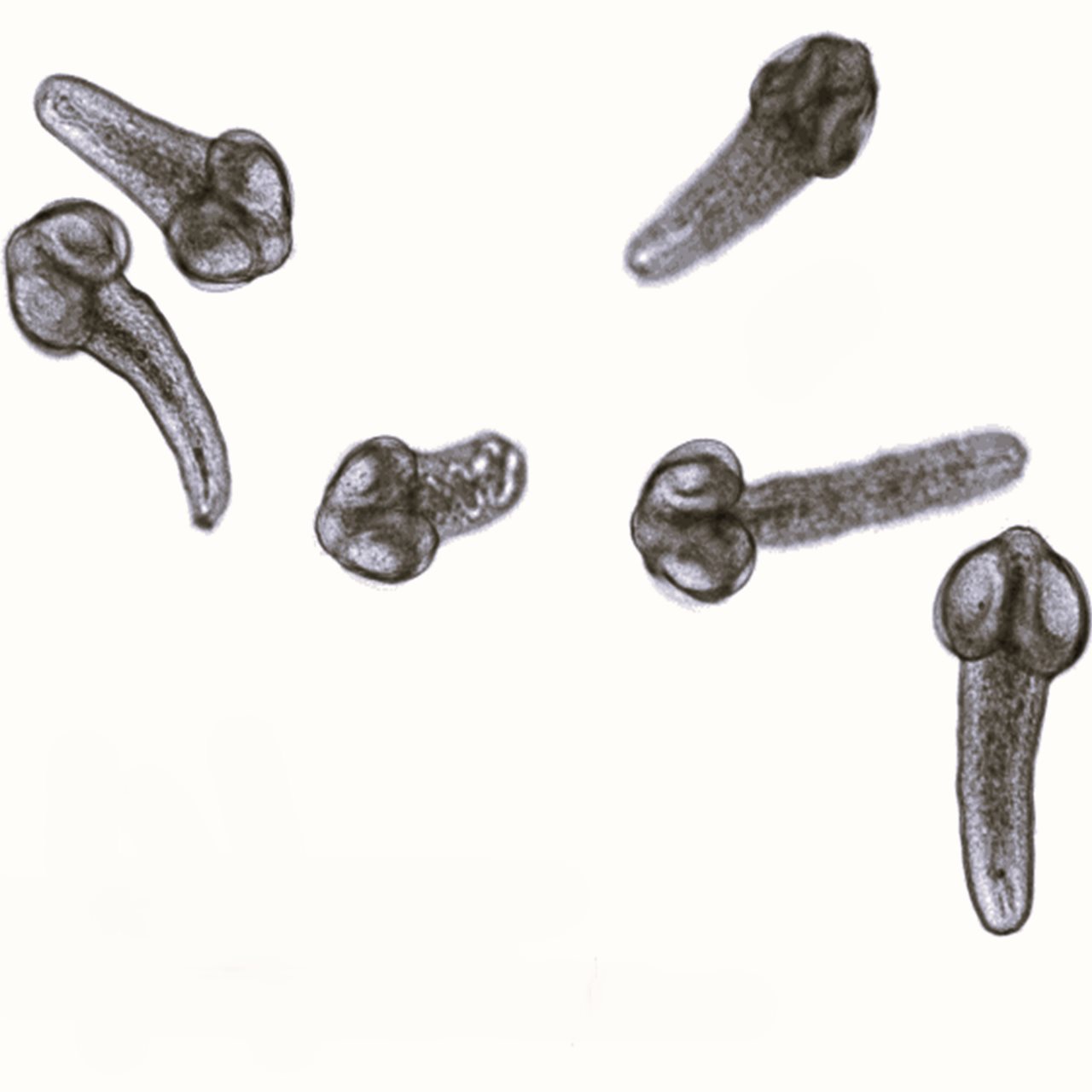
There is a huge diversity of parasites, you’ll even find some of them in other cases in the Dead Zoo Lab. This display focused on parasitic worms from three groups: roundworms, tapeworms and flukes. These worms can significantly impact human and animal’s behaviour, health and lifespan. The pork tapeworm (Taenia solium) and beef tapeworm (Taenia saginata) are examples of this. As their name suggests they infect pigs and cattle, but humans can become infected by eating undercooked pork or beef containing juvenile stages of the worms. Once consumed, the worms can then grow up to 10 – 20 metres. Well done is how many parasitologists like their meat!
It’s not a phase – it’s a lifecycle
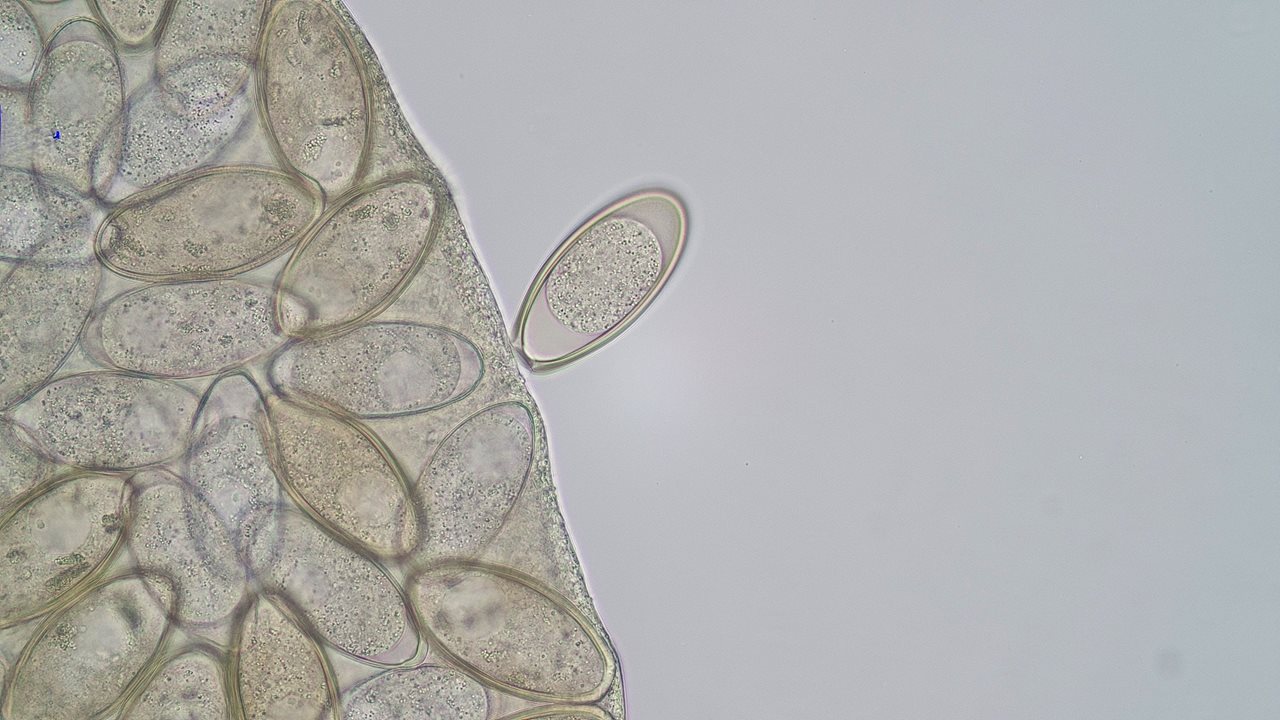
Parasites can lead complicated lives that need multiple hosts and forms to complete. This complexity gives them the ability to survive in many different habitats and hosts. Foxes can contain a wide variety of parasites, many of which can also infect dogs. The common roundworm of foxes and dogs is called Toxocara canis. This lives in the intestines of their host and releases eggs with the faeces into the environment. The eggs take some time to develop depending on weather and temperature. If a fox eats one of these infective eggs, the baby worm hatches out in the intestines and starts a journey - moving through the intestinal wall and travelling to the liver, and the lungs, after which they are coughed up and swallowed, eventually returning to the intestines as adult worms. Here they mate and produce eggs, continuing the cycle.
Another example is the lungworm or heartworm (Angiostrongylus vasorum), aptly named because adult worms live in the arteries linking the heart and the lungs. Their eggs are coughed up and swallowed. The eggs then hatch in the digestive tract, and the larvae are released in the faeces. Slugs can consume the larvae and become hosts to the next developmental stage of this parasite. When foxes or dogs eat these infected slugs, which they often do, the cycle continues.