By Riina Koskiniemi, collection curator, the Regional Museum of Lapland, and Anni Arvio, photographic archivist, the Regional Museum of Lapland
In February 2026, the collection curator and photographic archivist of the Regional Museum of Lapland embarked on a week‑long Erasmus+ job‑shadowing trip to Ireland. The purpose of our journey was to familiarize ourselves with the everyday work of our Irish museum colleagues, deepen our understanding of different museum practices, and gain new ideas for our own work. We spent most of our time in Dublin, but we also travelled to the west coast, to Turlough Park. During the week, we met numerous museum professionals, saw a wide range of museum exhibitions, and had the opportunity to peek into places that an ordinary visitor does not get to see.
The Beginning of the Journey – 14 Henrietta Street
We began our trip at the 14 Henrietta Street museum in Dublin, which is part of a significant historical urban townhouse block dating back to the 18th century. The museum’s narrative and sensory approach made a great impression on us. The house, restored in the 2000s, guides the visitor through its rooms while telling the story of its various historical phases in a deeply moving way.
We had the opportunity to go behind the scenes of the museum and speak with the staff about how a museum that operates as part of a city organisation functions, as well as what kinds of priorities guide its work. We also joined a guided tour and a workshop, where stories, scents, and materials transported us into the lives of the people who lived in the house across different decades. Local participants in the workshop shared their own memories, which made the moment especially touching.
The National Museum of Ireland – Three Intensive Days
The main destination of our trip was the National Museum of Ireland, whose four sites offer a comprehensive overview of the nation’s history from prehistory to the present day. We visited three of the museums located in Dublin, and also made a day trip to Turlough Park, situated 200 km west of Dublin. In addition, we visited the museum’s enormous Collections Resource Centre, which for us as collections professionals was one of the highlights of the entire week.
Our first stop was the Natural History Museum at the National Museum, Merrion Street, which is currently under renovation and has been completely emptied of its collections. We spoke with the person responsible for the relocation project about how the transfer of thousands of objects had been carried out, and what requirements the renovation of a historic 1850s museum building brings with it. It was fascinating to see how such a large and complex project is managed in practice.
Next, we visited the Archaeology Collection at National Museum, Kildare Street, where we met the photographers and the digital officer working there. We learned about their roles, their photography circumstances, and the kinds of documentation required by the museum’s collections. This was of particular interest to us, as it allowed us to compare their work with our own practices.
At the National Museum, Collins Barracks, home of the Decorative Arts, Design and Military History Collections, we had the opportunity to explore the newest exhibition, Changing Ireland, guided by its curator. As we moved through the exhibition, she explained the processes and background behind its design. It was inspiring to hear how exhibition concepts are developed there and how personal stories have been brought strongly to the forefront. The visit sparked many thoughts and ideas for our own future projects at the Regional Museum of Lapland.
A Day in Turlough Park
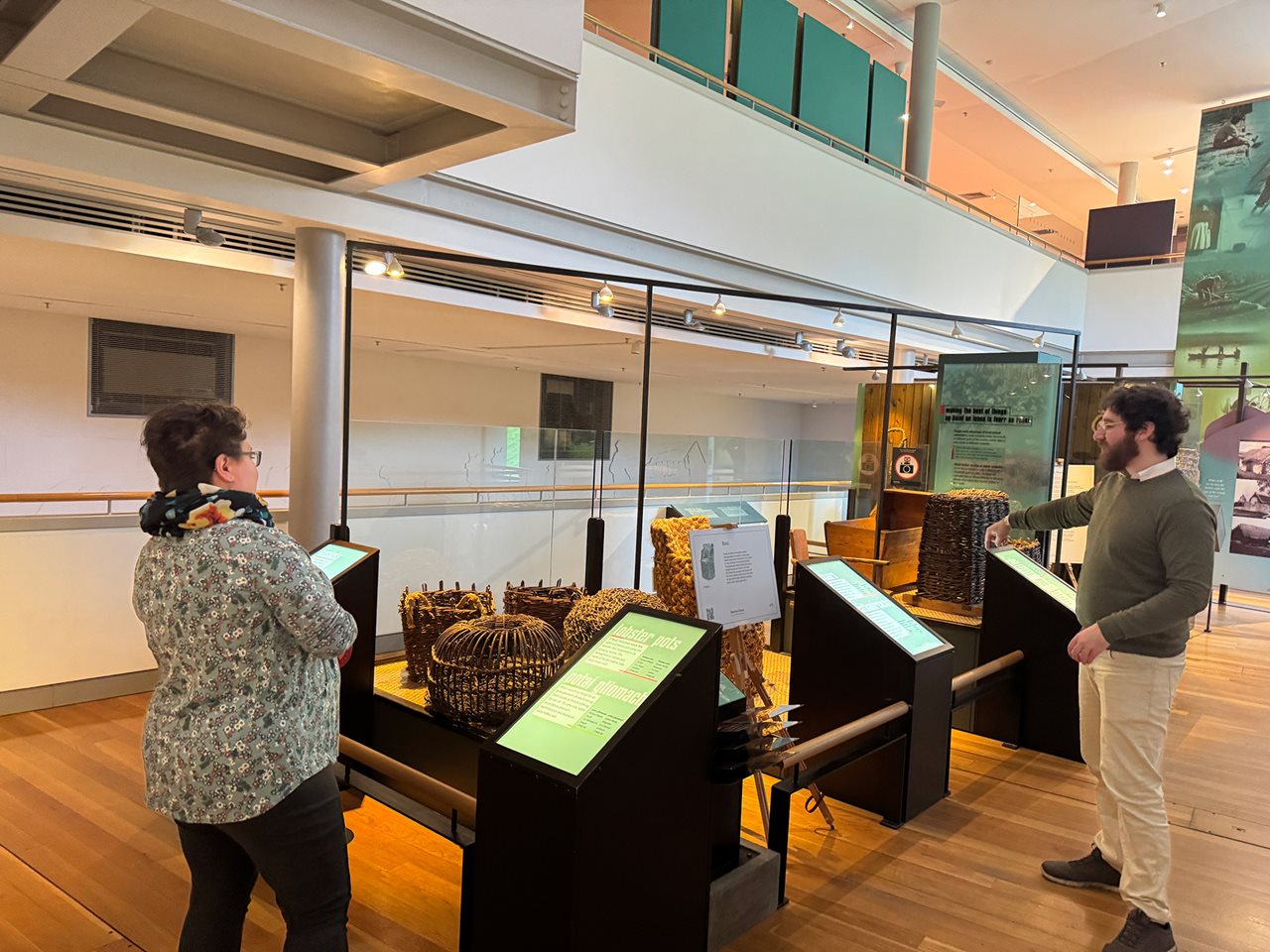
One of the most rewarding days of our trip was our visit to the National Museum, Turlough Park, home to the Museum’s Folklife Collections. The Museum’s collections and themes felt familiar to us, and we found many points of connection with our own work. We recognised objects in the displays that could easily have come from our own collections, and we discussed digital asset management, exhibition practices, and future plans with the staff.
We also had the opportunity to hear an impressive presentation on the iCAN project, which collects Irish cultural heritage for an online website through volunteer participation and community‑based methods. The scale of the project and the way it is carried out were inspiring, prompting many ideas about how we could further develop our own community‑engagement work.
The Collections Resource Centre – Home to Four Million Objects
Our visit to the Museum’s Collections Resource Centre (CRC) was one of the most anticipated moments of the trip. Being responsible for the collections in our own museum, simply being able to enter such a place was an extraordinary experience in itself. The CRC houses the majority of the National Museum of Ireland’s approximately four million objects and specimens. We were given a tour of the facilities and had the chance to speak with the person responsible for the centre’s day‑to‑day operations, environmental monitoring, and space‑use planning. We also discussed the Re.org method they employ, which is used for reorganising and managing museum storage spaces.
In addition to this, we met with the Natural History curator and the Archivist, learned about their work, and had the opportunity to view parts of the collections. Through these conversations, we discovered similarities in the everyday work of museums across different countries, but also differences stemming from organisational structures and available resources.
EPIC – A Different Perspective on Museum Storytelling
The last destination of our trip was EPIC – The Irish Emigration Museum. The museum stood out from our other visits both in terms of its funding model and its exhibition solutions. The exhibition at EPIC relies almost entirely on visual and technology‑driven approaches, and, for example, very few objects are on display. The way the exhibition presents the stories of emigrants created an immersive experience and offered a different perspective on museum storytelling compared to what we had seen during the week. The overall experience complemented well the diverse range of museum visits we had made throughout our trip.
What Did We Learn and What Did We Take Home with Us?
The aim of the trip was to explore how museums in another country care for, preserve, and present their collections, as well as how exhibitions are planned and implemented. We received answers to these questions—and much more. We brought home new perspectives on documenting intangible cultural heritage, on narrative‑driven exhibition design, and on developing collection work. What we valued most, however, was the openness of our colleagues: we were able to hear about both successes and challenges, and to engage in discussions about the everyday realities of museum work from many different viewpoints.
Acknowledgements
We could not have hoped for a warmer welcome from all the colleagues we met during our trip. In particular, we wish to thank Registrar Emer Ní Cheallaigh of the National Museum of Ireland and Suza Freeman, Manager of Conservation and Collections at the 14 Henrietta Street museum, for their warm reception and the valuable time they shared with us.