By Hannah Preston, Registration Collections Assistant, National Museum of Ireland
Cabinets of curiosities seem to have always been around. Whether these are ancient temples displaying deity statues, church relics on altars or alcoves, medieval wonder rooms or the children that pose their shells on the mantlepiece. There has always been a need to show off our acquisitions.
A Curious History
With the increase of global expansion in the 15th century, evidence of one’s travels became a form of status. The unorganised collections of curiosities were a personal statement, in private ownership, and only accessible to a select few. The ‘cabinets’ could be actual cabinets, plinths, a room, or even a series of rooms to display collections. They were loosely categorised into four main groups: Naturalia, Artificialia, Scientifica, and Exotica. Naturalia collections held shells, minerals, botanica, and taxidermy. These became the foundation of natural history museums today. Artificialia were anything made by humans. They held art, tools, furniture, and cultural items. Scientifica were scientific instruments, such as tools for star gazing or autopsy. And exotica were items that were unidentifiable, believed to be something else (like a narwhal tusk as a unicorn horn), or from foreign lands.
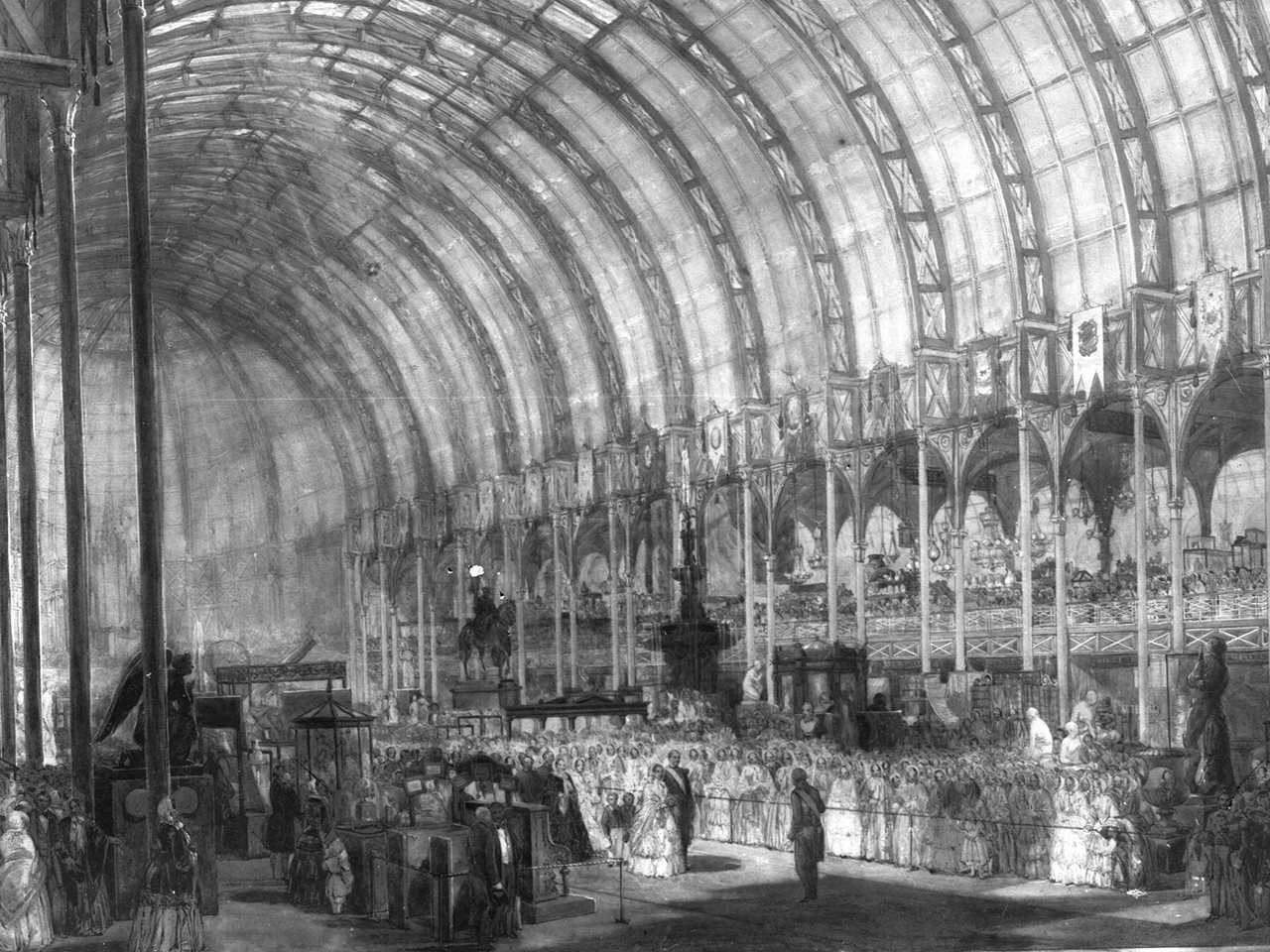
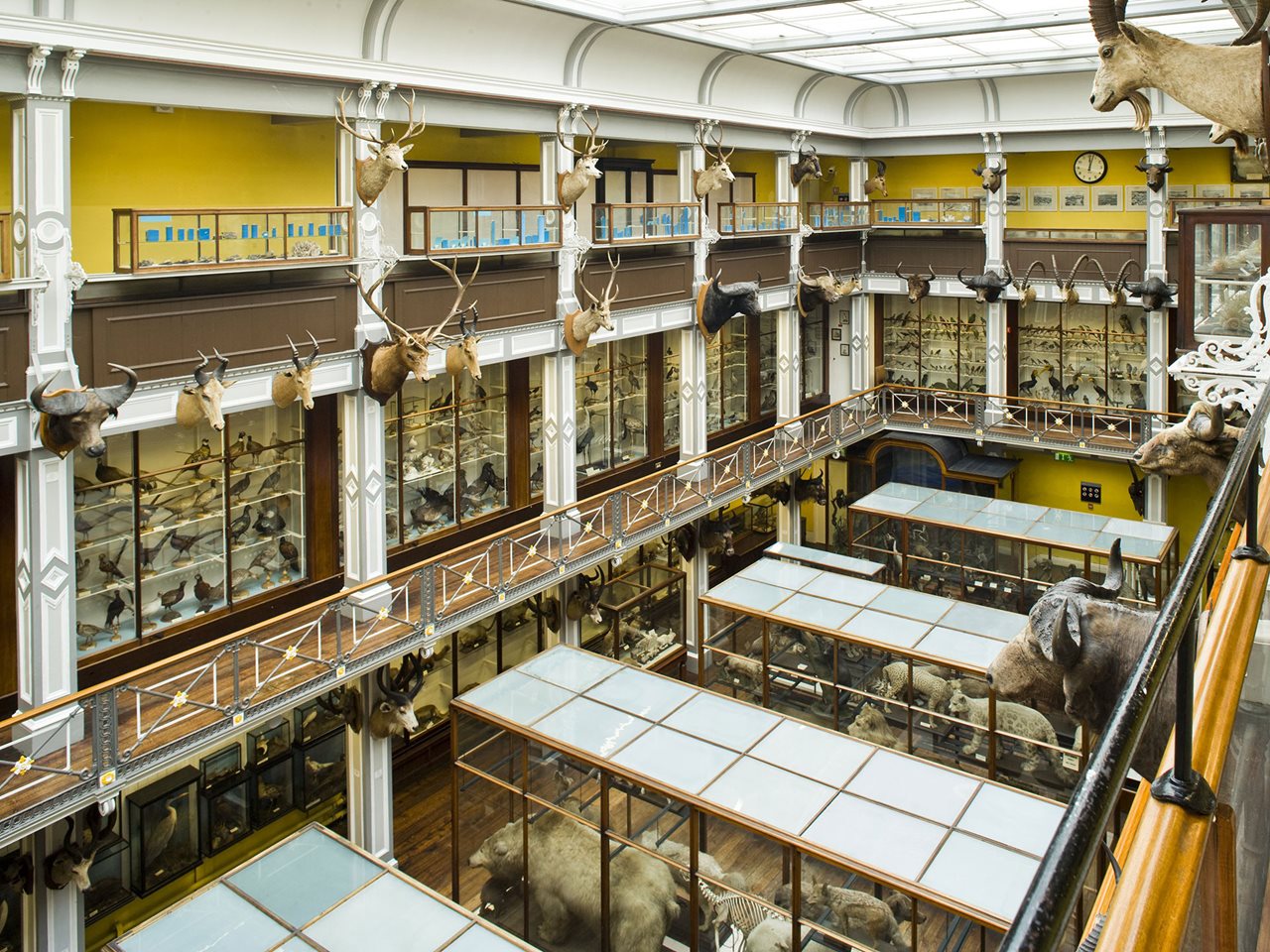
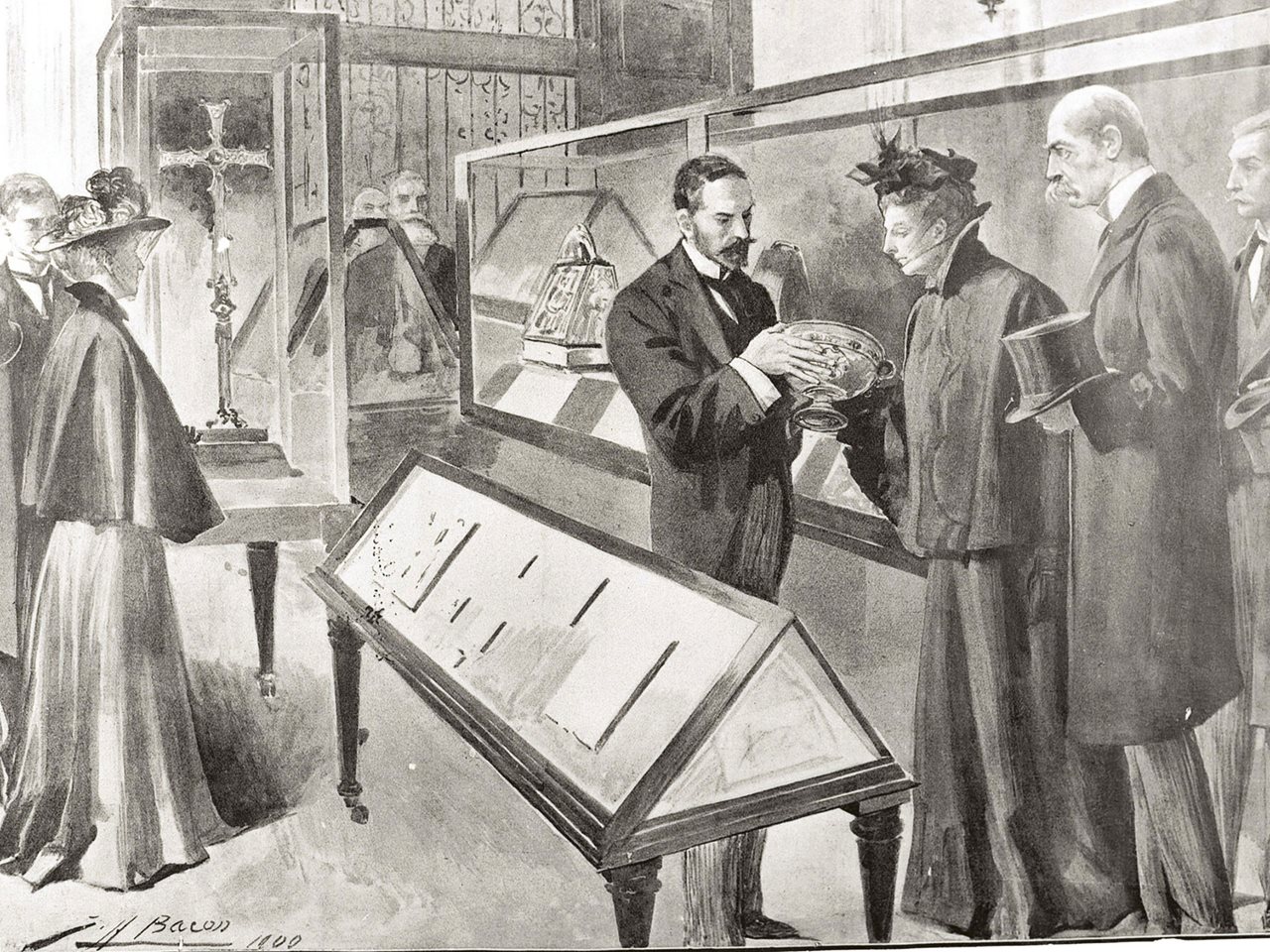
In the 18th century, large private collections were sometimes gathered to form institutions or private museums. Eventually, these cabinet of curiosity collections became tools of learning that spurred on The Enlightenment Movement. This shifted these private collections into the wider public sphere. The pursuit of knowledge became accessible for all levels of society. It is during this time that curiosity cabinet museums became established. The Natural History Museum of the National Museum of Ireland is one such museum. It has become well known as a time capsule.
Modern Methods
Over time, these cabinet curiosity institutions were modernised. The acquisition of objects, and the development of collections, evolved. Curators of the 20th century were no longer collecting for display, but for crucial scientific data, discovery, research resources, and reference collections. In modern day museums, curators have well considered policies governing what they acquire and accession.
The technological advancements of the 20th and 21st centuries changed static cabinets of curiosities into more interactive exhibitions. However, the allure of the ‘museum within a museum’ still draws the attention of the public to this day.
More Information
If you wish to read more about the National Museum of Ireland and its transition from private collections to the country’s National Museum, please check out these articles: History of the Organisation | National Museum of Ireland and History & Architecture | Natural History | National Museum of Ireland.
Further Reading
A Cabinet of Curiosities « The Irish Aesthete
Origins of the National Museum of Ireland | National Museum of Ireland
What was the Enlightenment and why did it change the world? - History Skills