
Various Upcoming Dates
Féach ar shonraí na hócáide
Permanent Exhibition
Changing Ireland Galleries
Free Admission | No booking required
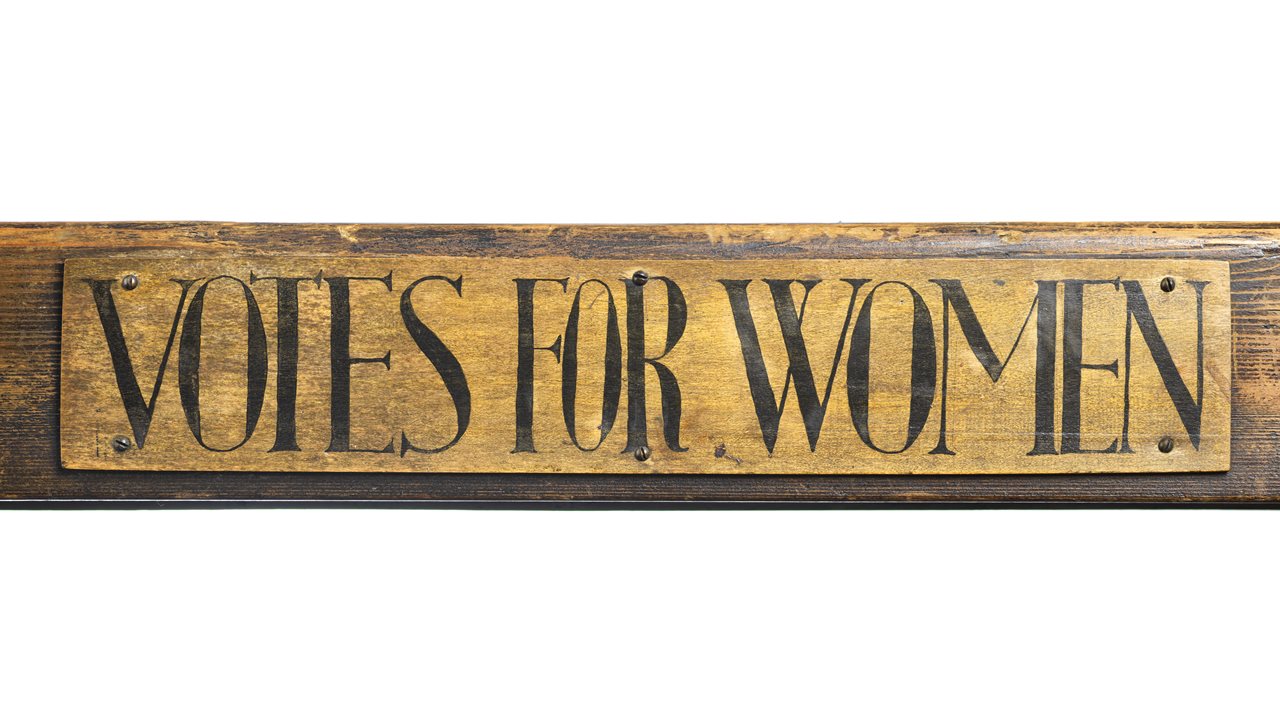
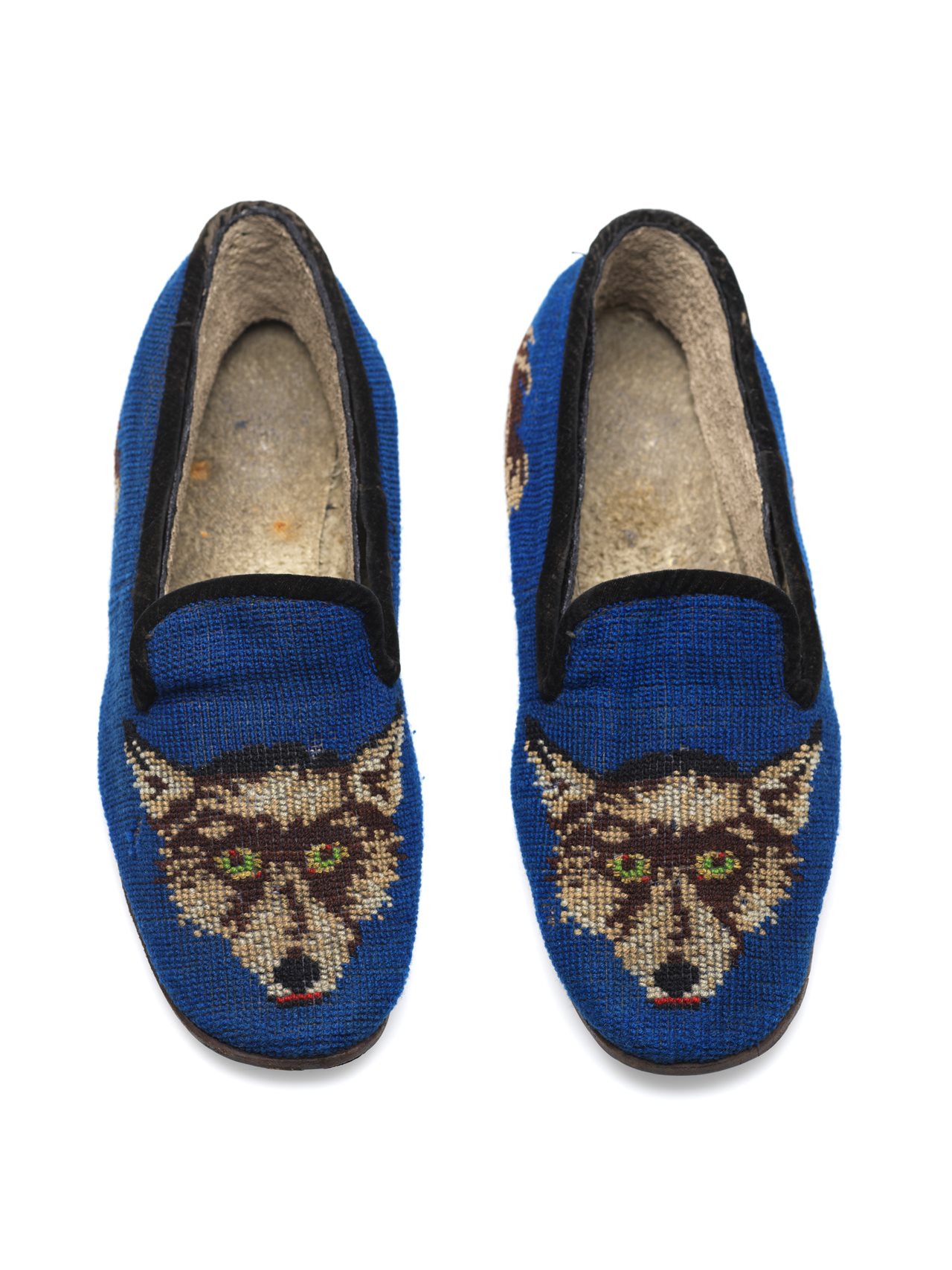
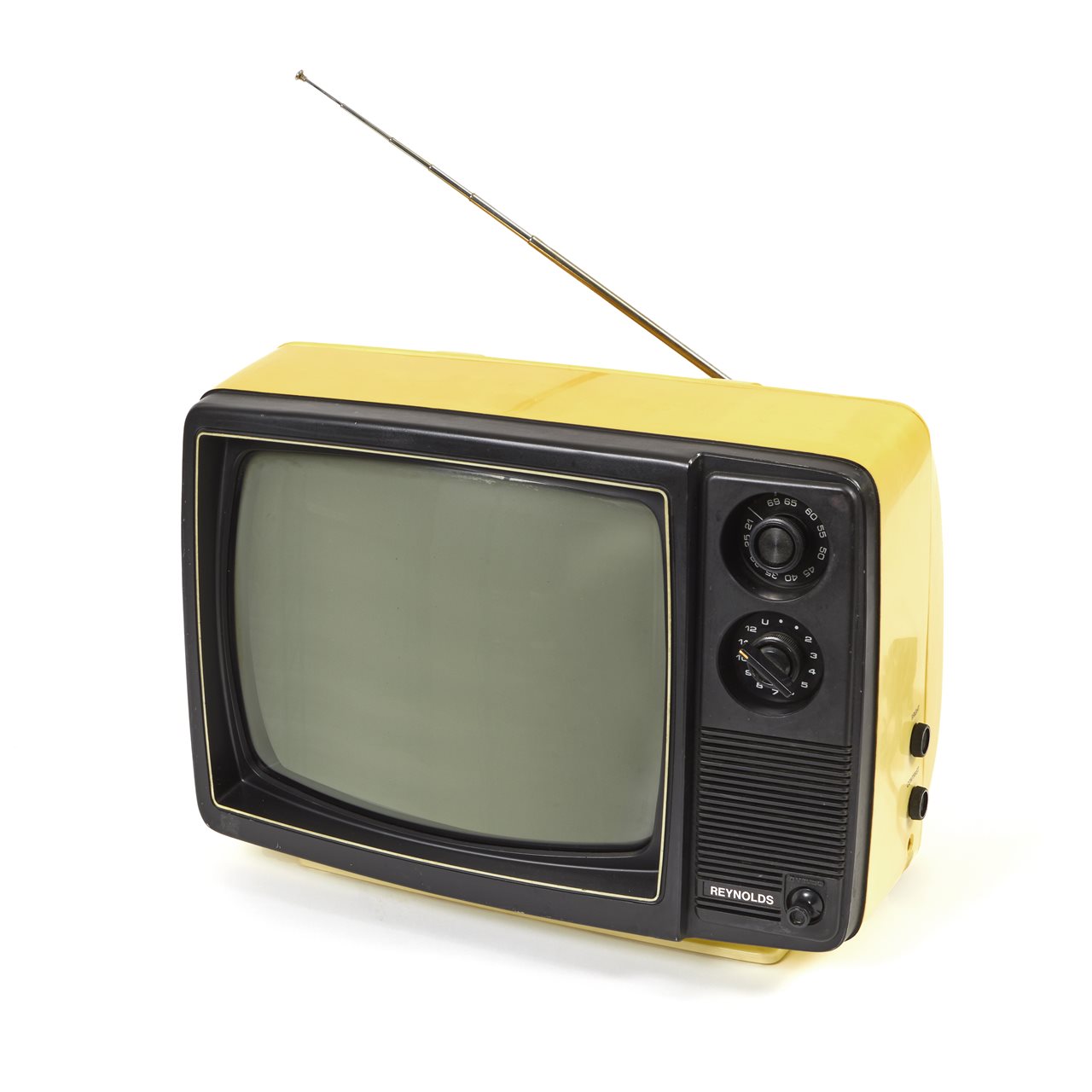
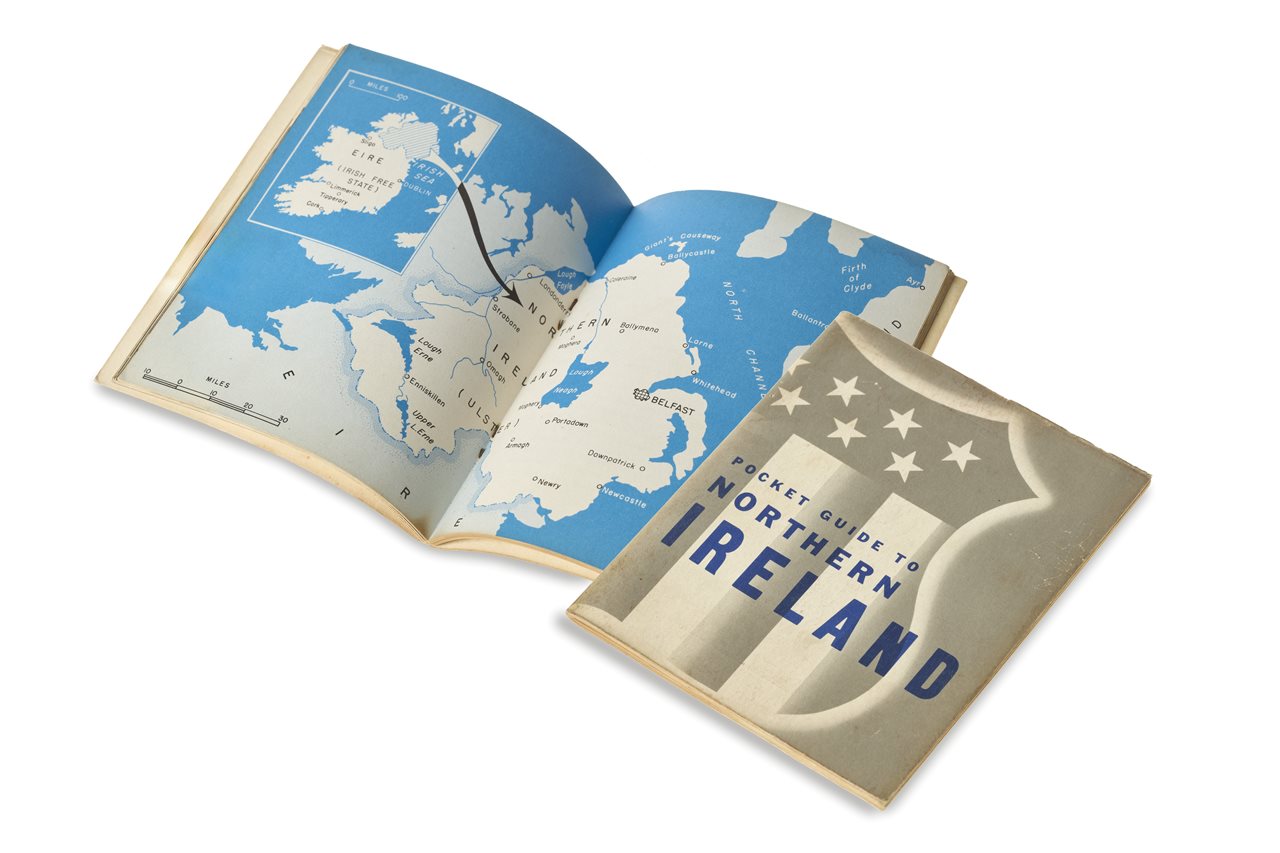
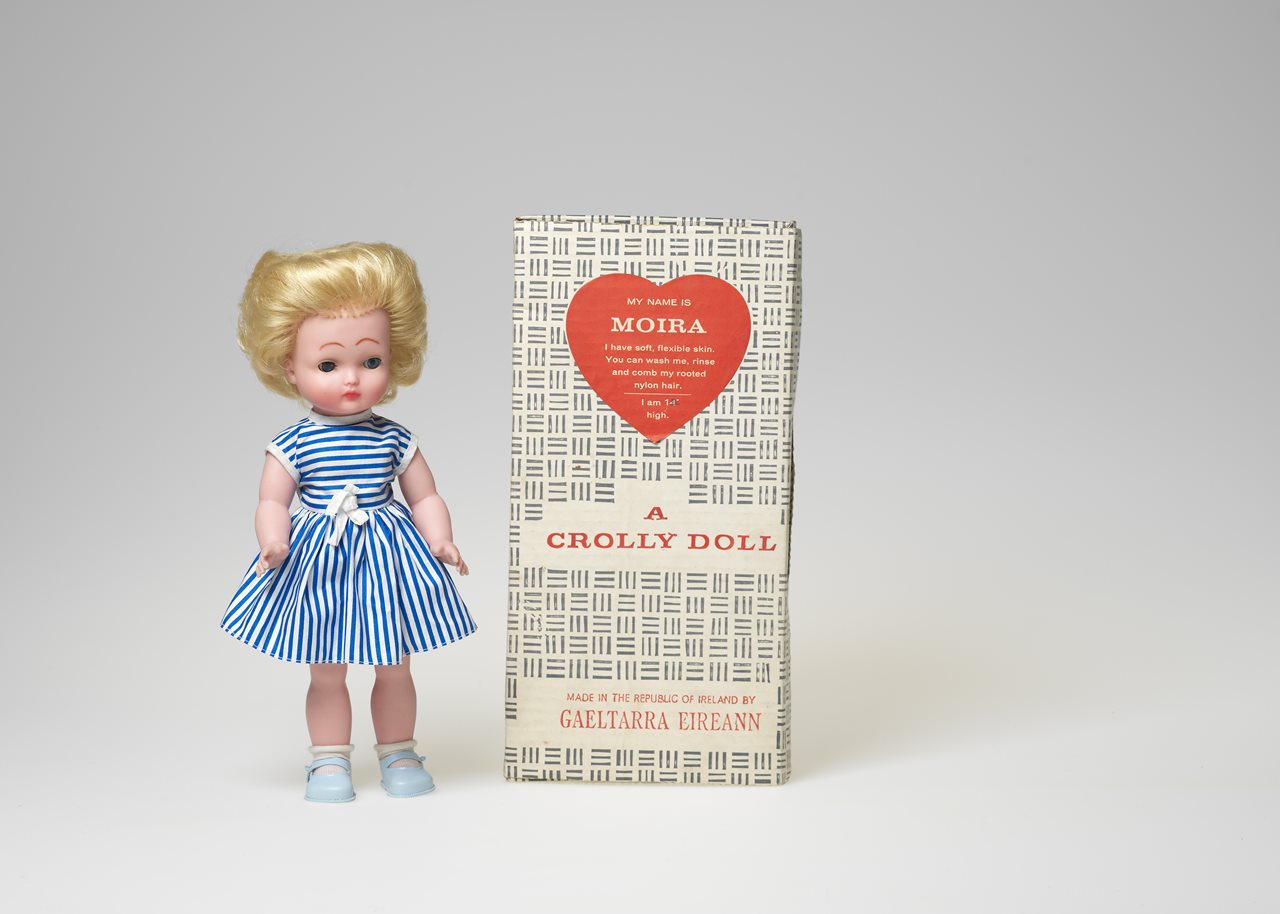
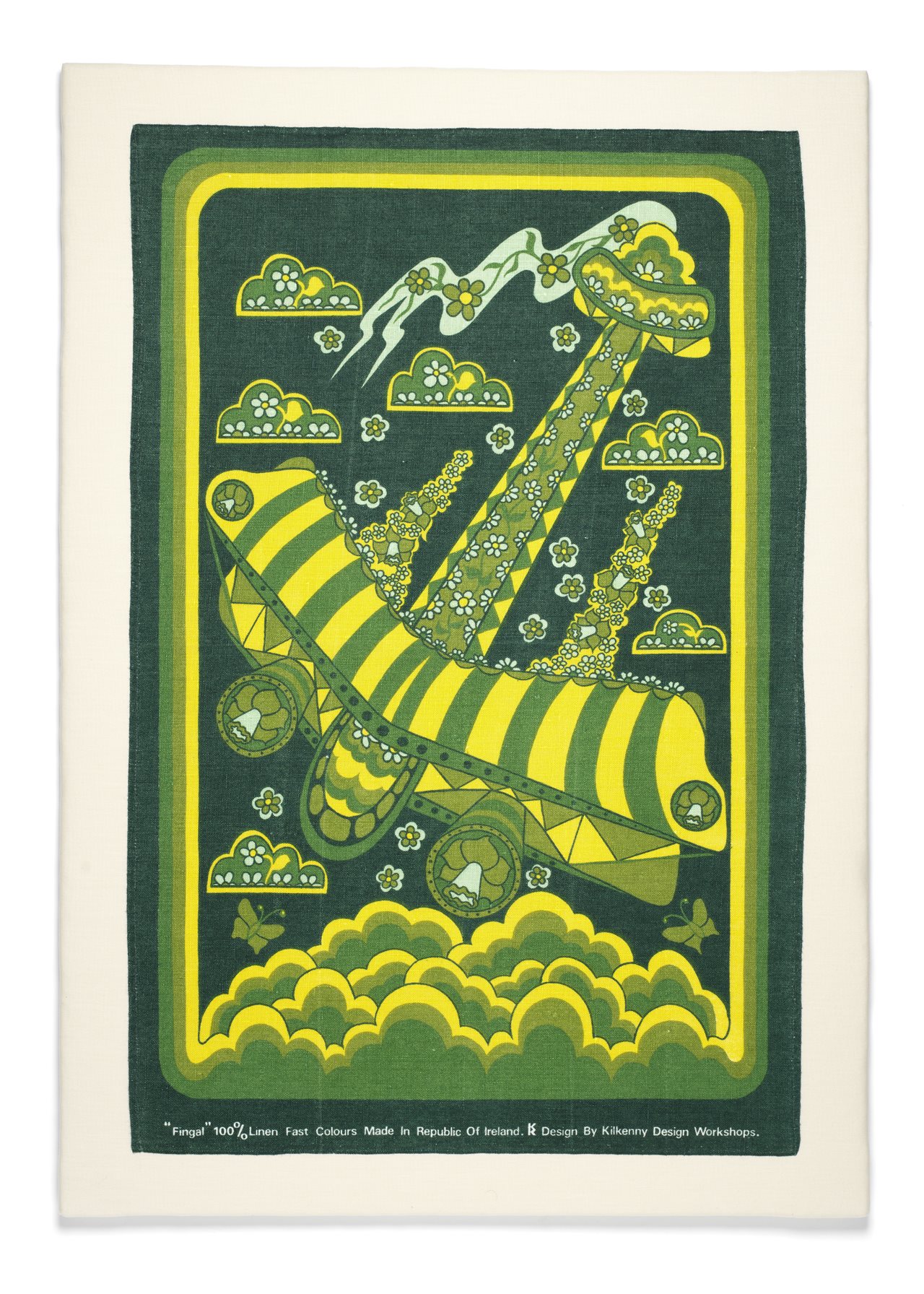
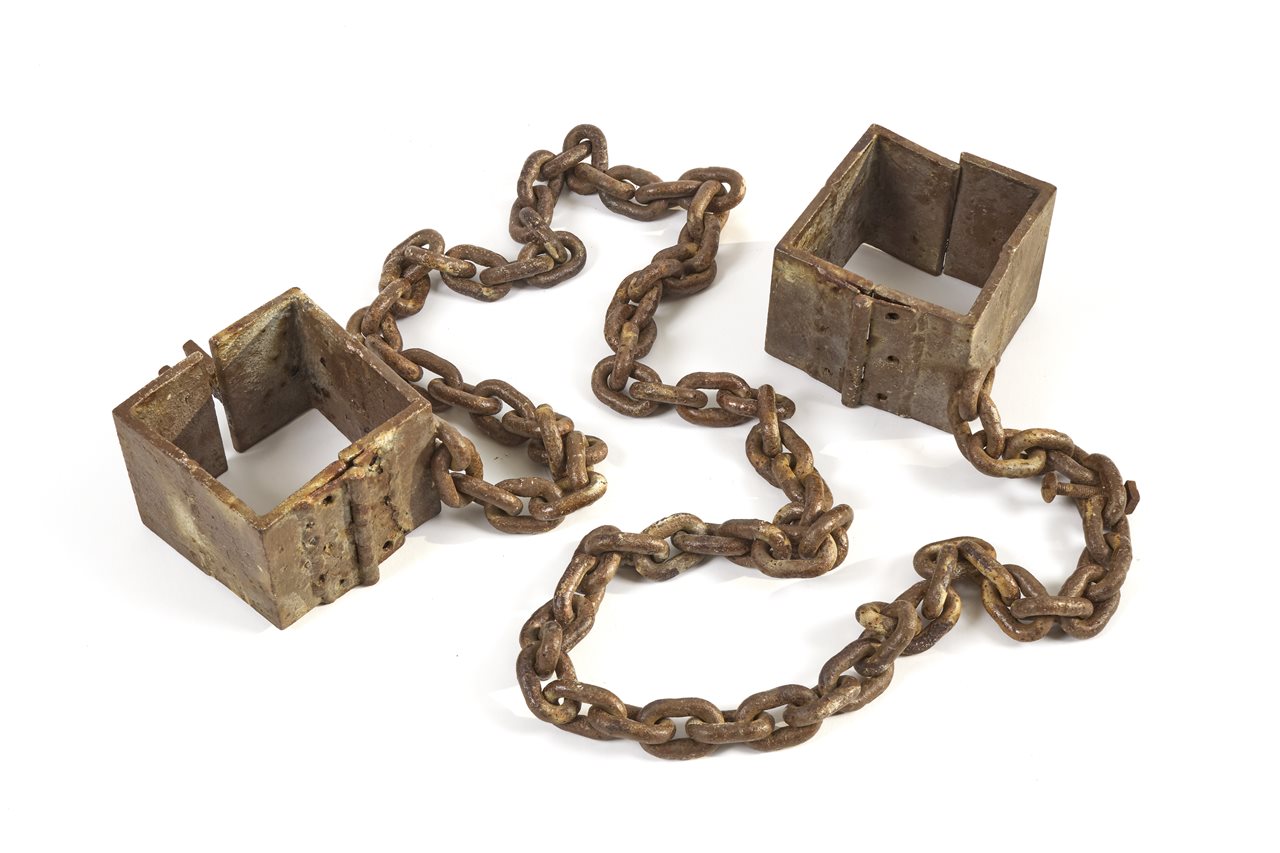
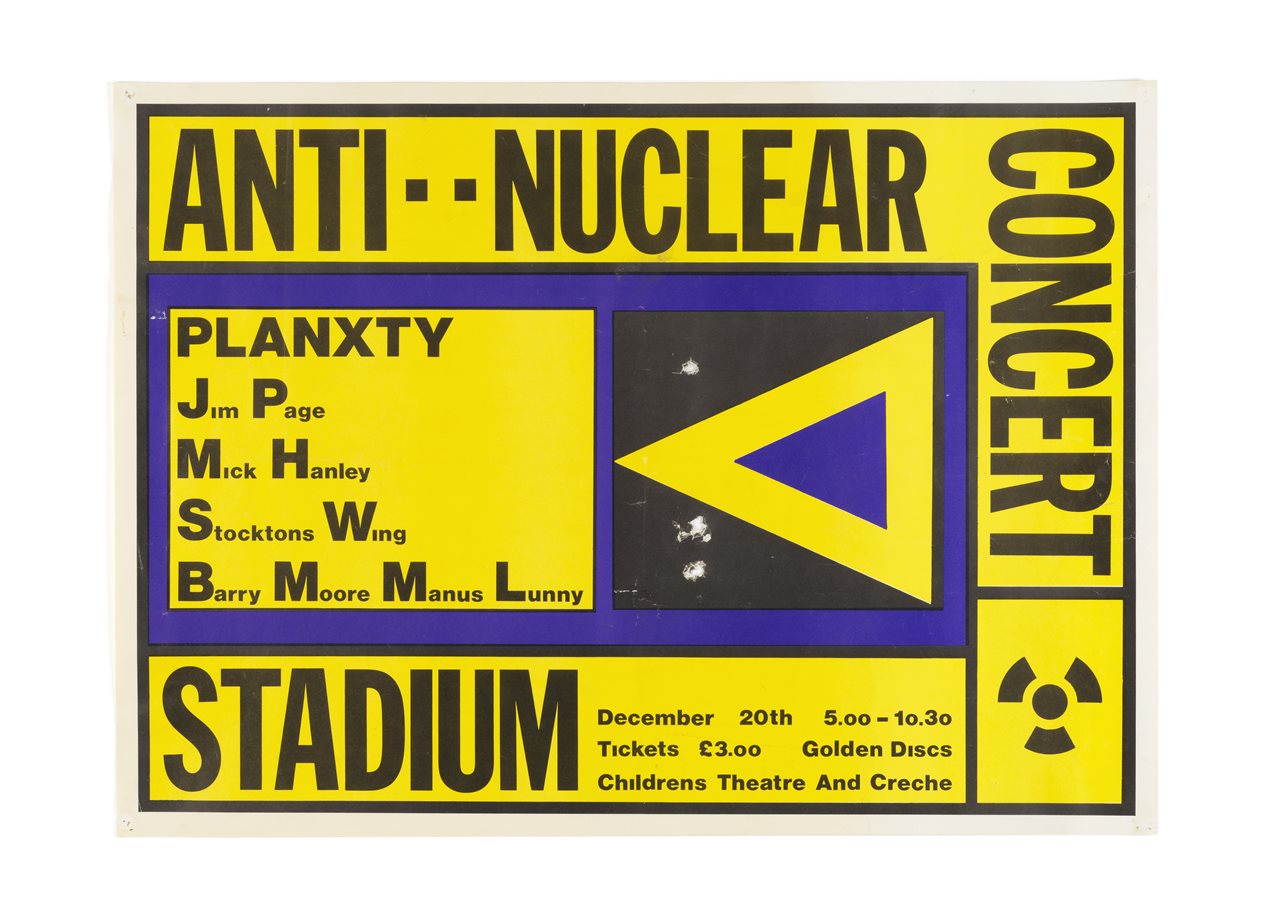
Situated in our over 300-year-old Military Barracks, the new Changing Ireland Galleries provide unprecedented public access to our 20th and 21st century history collections. Here you will encounter the everyday or extraordinary objects that witnessed or contributed to the transformation of Ireland over the last 150 years.
See Hannah Sheehy Skeffington’s suffrage banner, James Connolly’s hat from the Easter Rising, and new acquisitions including world-renowned guitarist Rory Gallagher’s 1961 Fender Stratocaster and Former President of Ireland and Human Rights Trailblazer Mary Robinson’s inauguration suit designed by Louise Kennedy.
Our new galleries welcome different voices and alternative perspectives into the Museum through co-curated projects, audiovisual experiences, and artistic interventions including newly commissioned poems by the celebrated Irish poet Paula Meehan.
By welcoming conversations and sparking the imagination, we invite everyone to explore the collections, to connect with history, and to question their place in the world.
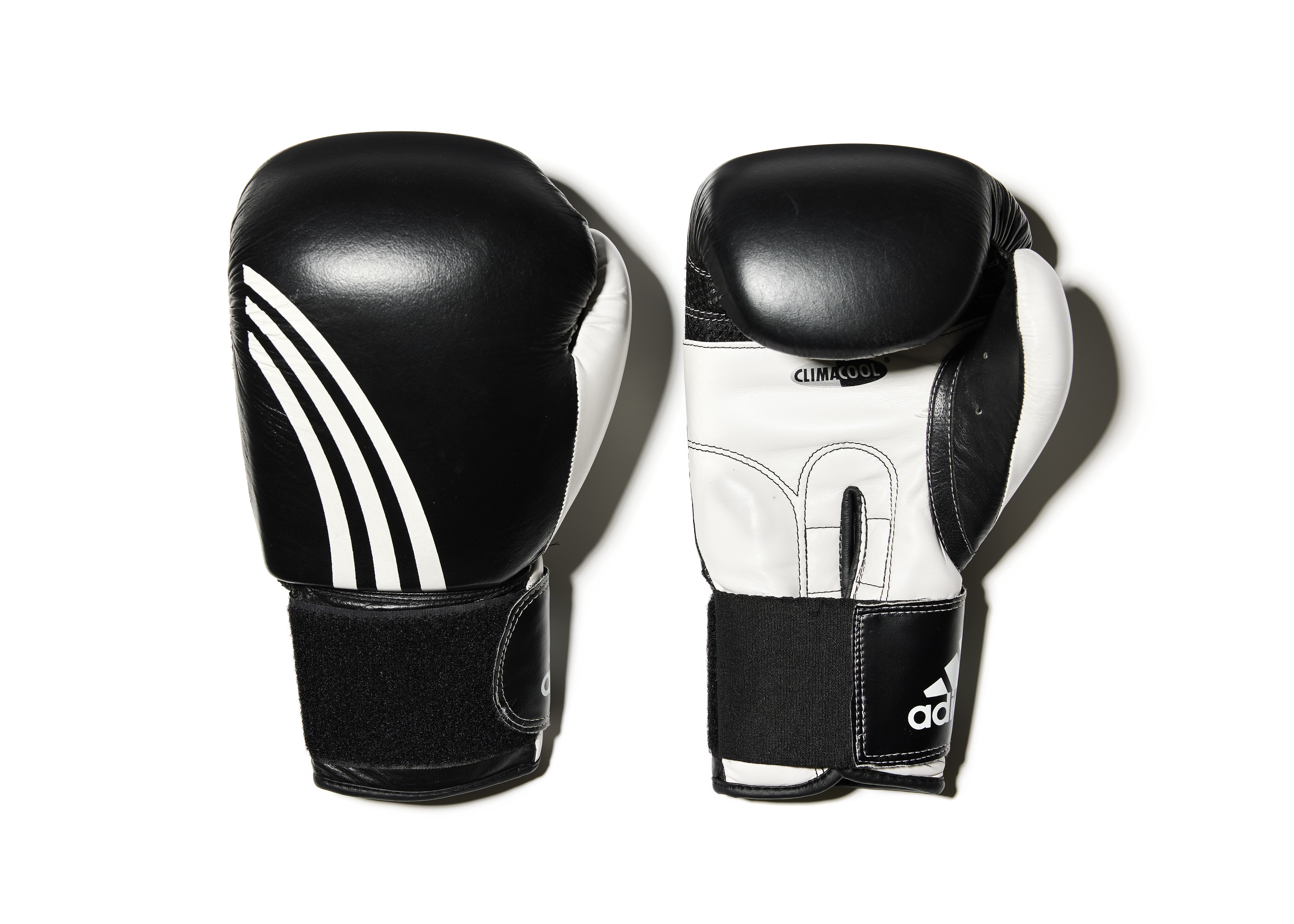
Boxing Gloves Belonging to Katie Taylor Added to the Changing Ireland Galleries
Katie Taylor is considered one of Ireland's greatest sportspersons of all time. She took up boxing at the age of 12 and went on to become the first-ever Olympic women's boxing champion in 2012. Since turning professional, Katie has become the undisputed world lightweight champion, holding all four major world title belts simultaneously. Her success has paved the way for future generations of female boxers and athletes.
To coincide with Katie Taylor's final fight at Croke Park in September 2026, we have installed a pair of her boxing gloves in the Changing Ireland Galleries, which will be available to view from Friday, 28 August, 2026.
Addition of a Sheela-Na-Gig to the Changing Ireland Galleries
Sheela-na-gig is a collective name for medieval carvings of naked females who appear in positions that emphasise their genitalia. This carving is said to have been attached to a medieval church at Seir Kieran, Co. Offaly. Their original function is unknown but in recent decades, they have been reimagined and have become symbols of feminism and women’s rights.
In recent decades Sheela-na-Gigs have attracted the interest of many different groups, have evolved and have been reimagined to have a variety of meanings. They were first brought to scientific attention in the 1840s by antiquarians, some of whom regarded their aggressive sexuality in negative terms. More recently the images have come to be regarded in a positive light and are associated with feminism and women’s rights.
Sheela-na-Gigs occur predominantly in medieval religious buildings across Ireland, the UK and continental Europe. From the 11th century, the figures reclined over the entrances to churches, castles, holy wells and in defensive structures such as town walls. From the 17th century, many were removed, relocated or destroyed. Their function remains unknown but some experts speculate that they may be associated with life-giving powers, birth and death and the renewal of life.
Learn more about the Sheila-Na-Gigs in the National Museum of Ireland collections.
Explore some objects from the Changing Ireland galleries.
Search our collections online - discover collections connected to histories and peoples of Ireland.
Take a free audio tour to discover some of the people, stories, and themes explored in the Changing Ireland galleries. Listen to the audio tour here.
Suíomh:
Changing Ireland Galleries suite ag:
Dún Uí Choileáin,
Sráid na Binne Boirbe,
Baile Átha Cliath 7
D07 XKV4
Interpreting Irish political, cultural and social history from 1900-2020.
Imeachtaí a Bhaineann leis an Taispeántas seo
Ealaíona Maisiúla & Stair
Dún Uí Choileáin,
Sráid na Binne Boirbe,
Baile Átha Cliath 7,
D07 XKV4
+353 1 677 7444