This tour focuses on objects and individuals from the 17th to the 21st century, revealing a wide variety of identities, genders and sexualities along the way. Below you will find a list of the stories and objects you will explore along the way.
1. Clarke Square
Our tour begins with the Barracks itself, which was commissioned in 1703 by Queen Anne. The monarch exemplifies how privilege in the 18th century enabled some to live outside the social norms, in contrast to the soldiers in the Barracks whose lives were tightly controlled, or those living in poverty beyond its walls.
.JPG "Stop-1-image-of-soldiers-in-Clarke-Sq-need-B-malone-info-(1).JPG")
Image: 7th Battalion Royal Dublin Fusilliers in Clarke Square
2. Gauntlets belonging to King William III, Curators Choice, Gallery 1
These beautiful gauntlets originally belonged to King William III and were given as a gift to Sir John Dillon of Lismullan House on the night following the Battle of the Boyne in 1690. These gauntlets survived intact over the centuries to connect with another extraordinary story - one of courage and resilience, as we discuss one of the most important figures in Irish trans history, Michael Dillon.
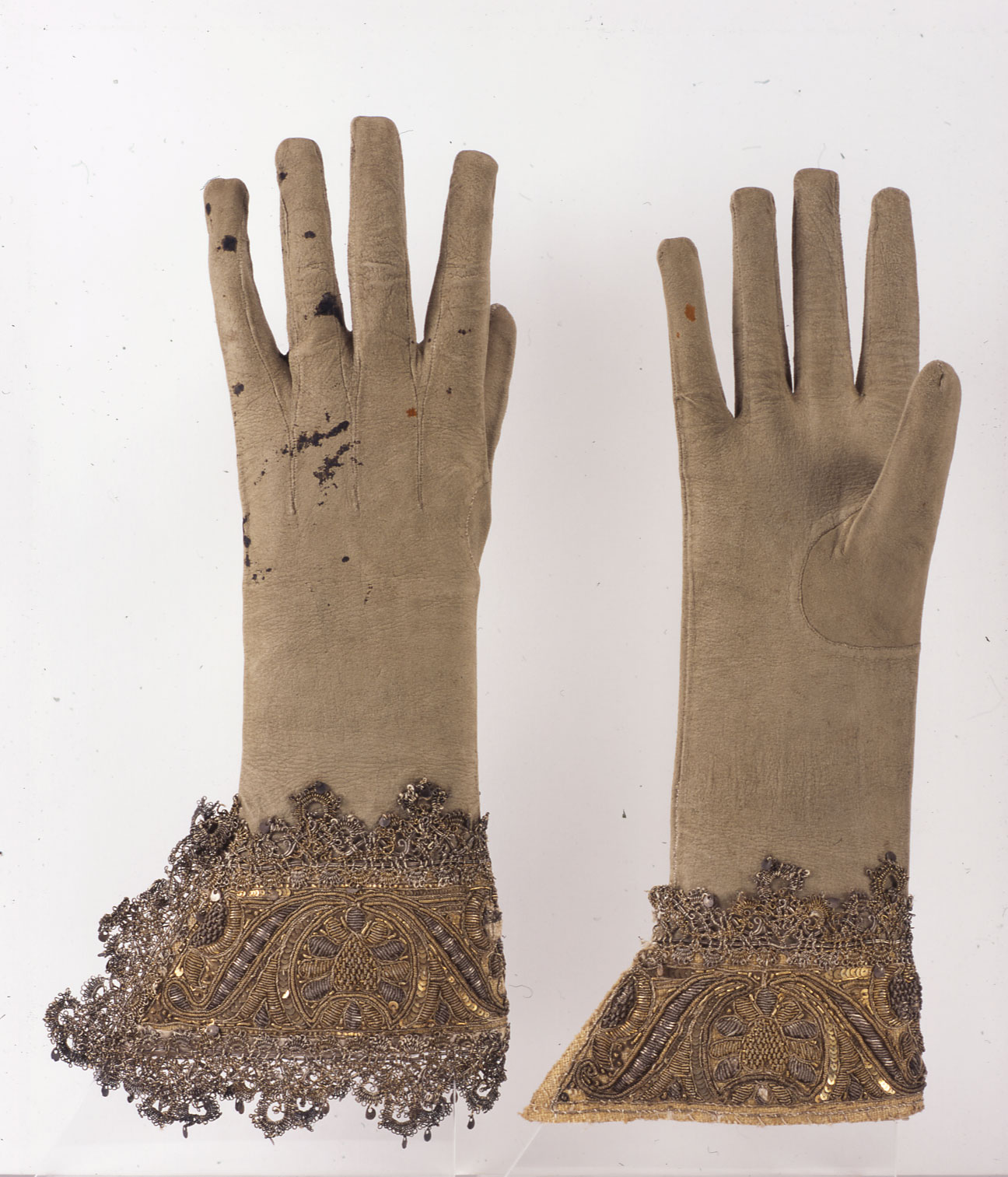
Image: Gauntlets belonging to King William III
3. Eileen Gray’s Non-Conformist Chair, First floor, top of the stairs
Born in Enniscorthy in 1878, before moving to Paris, Eileen Gray was one of Ireland’s most renowned designers. Her designs, like this chair, celebrate bodily freedom, and has been adopted by some in the LGBTQIA+ community as a symbol of identity.
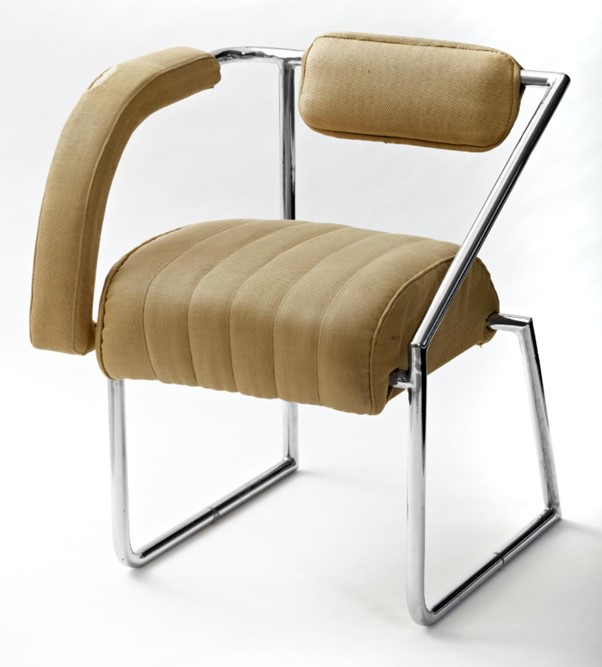
Image: Eileen Gray's Non Conformist Chair
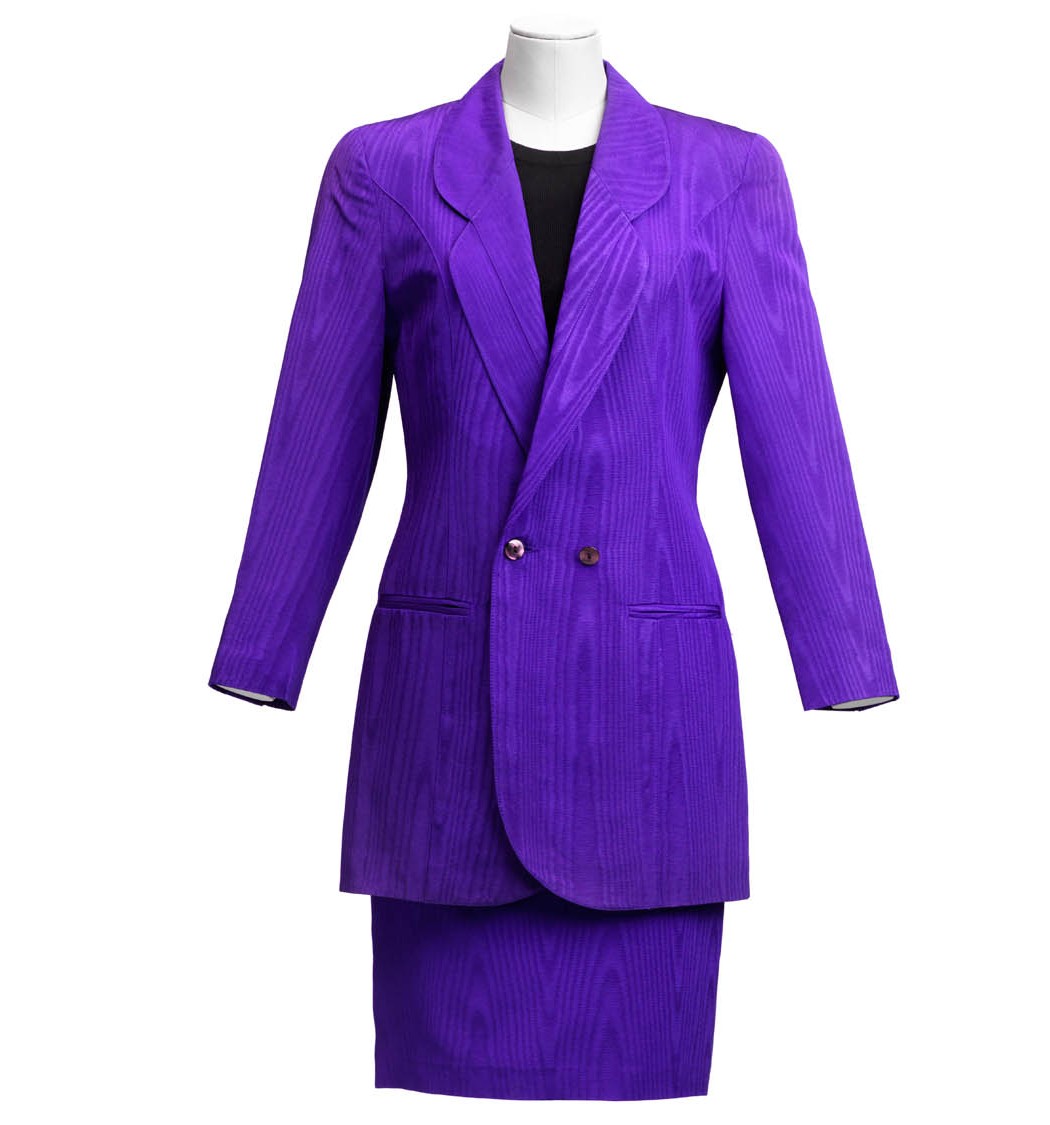
4. Panti Bliss Noble Call Dress and Mary Robinson Inauguration Suit, Changing Ireland
Mary Robinson was the first female President of Ireland. Three years into her Presidency, homosexuality was decriminalised on 24 June, 1993, a seismic social change made possible primarily through the advocacy of activists such as David Norris.
-(1).jpg "20250507_DT-2023-1_001_v4_16-9_2000px-(1)-(1).jpg")
Image: Suit designed by Louise Kennedy, worn by Mary Robinson for her inauguration.
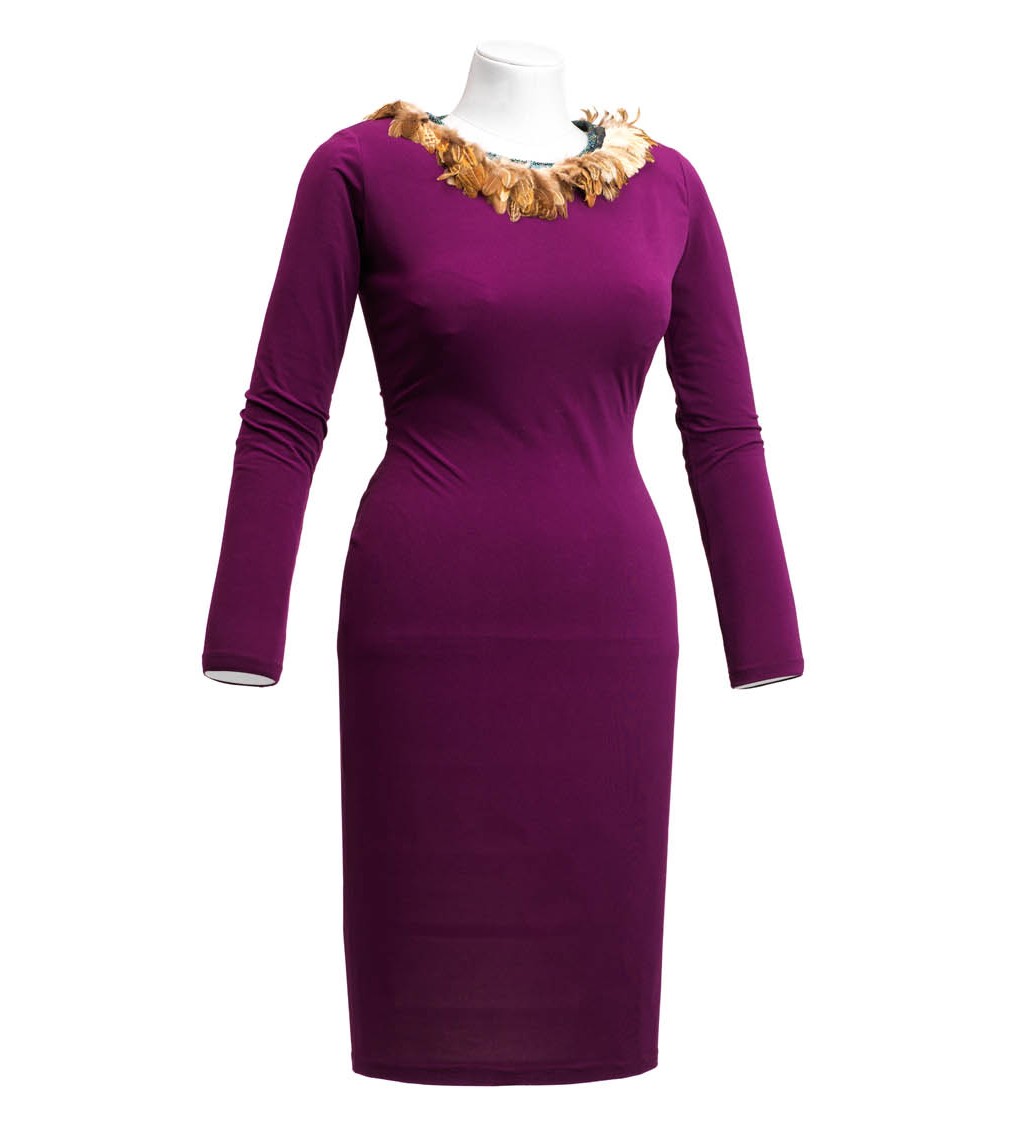
Activist, Drag Queen and national figure Dr Panti Bliss-Cabrera wore this dress while presenting her ‘Noble Call’ speech at the Abbey Theatre on the 1st of February 2014. The speech outlined her experiences of homophobia in Ireland and went viral. It is seen as a rallying call for support in advance of the Marriage Equality Referendum in 2015.
.jpg "Dr-Panti-Bliss-Cabrera’s-‘Noble-Call’-dress-(3).jpg")
Image: Dress worn by Panti Bliss for her ‘Noble Call’ speech, 2014.
5. Cork Pride Week Leaflet, Changing Ireland
Cork Pride Week 1981 was the city’s first LGBTQIA+ pride event. It was organised by the Irish Gay Rights Movement, the Cork Gay Collective, and the recently established University College Cork Gay Society. As part of the Week, these leaflets were handed out.
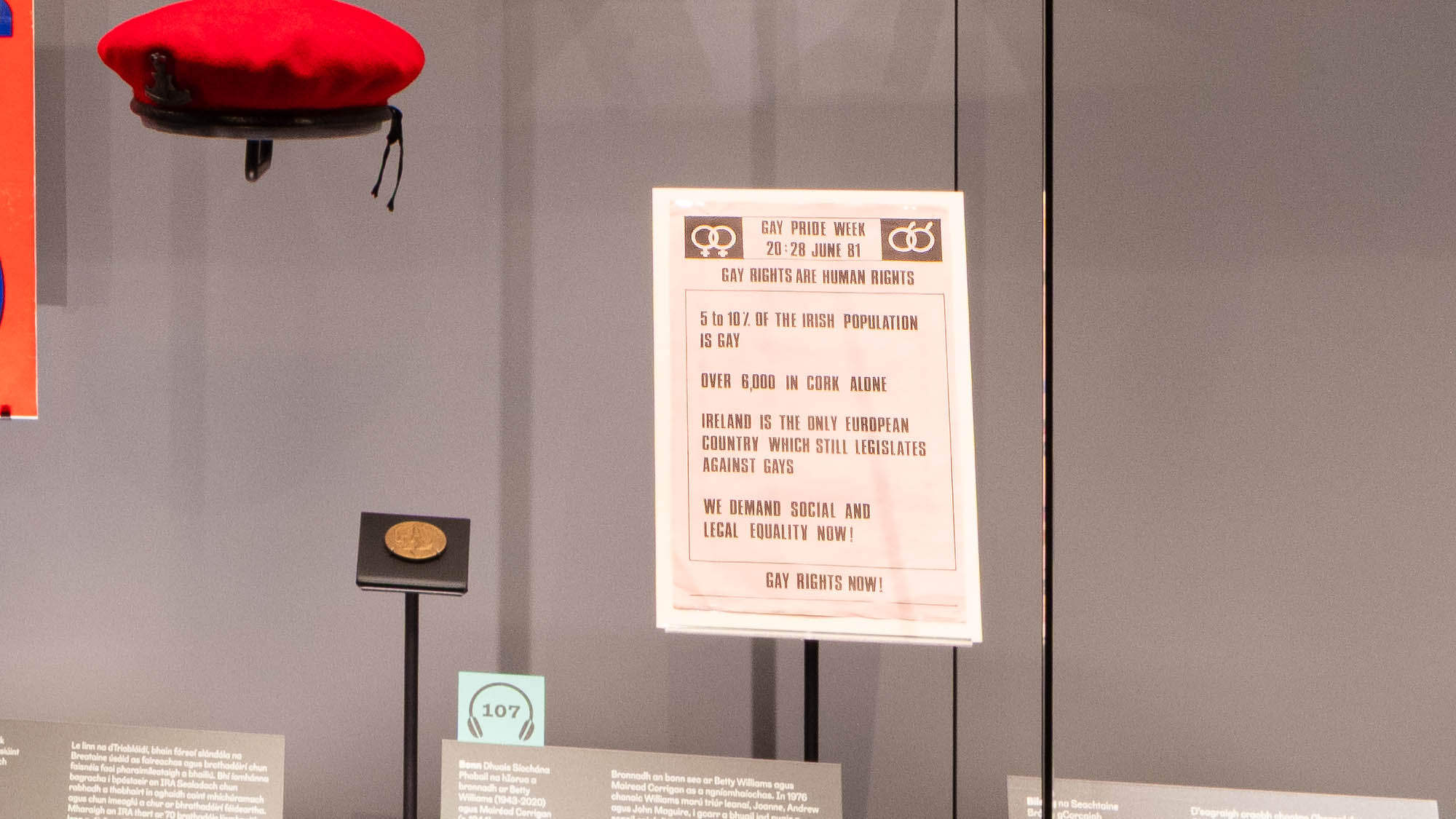
Image: Cork Pride Week leaflet published in 1981 on display in Changing Ireland
6. An Foclóir Aiteach/The Queer Dictionary, Changing Ireland
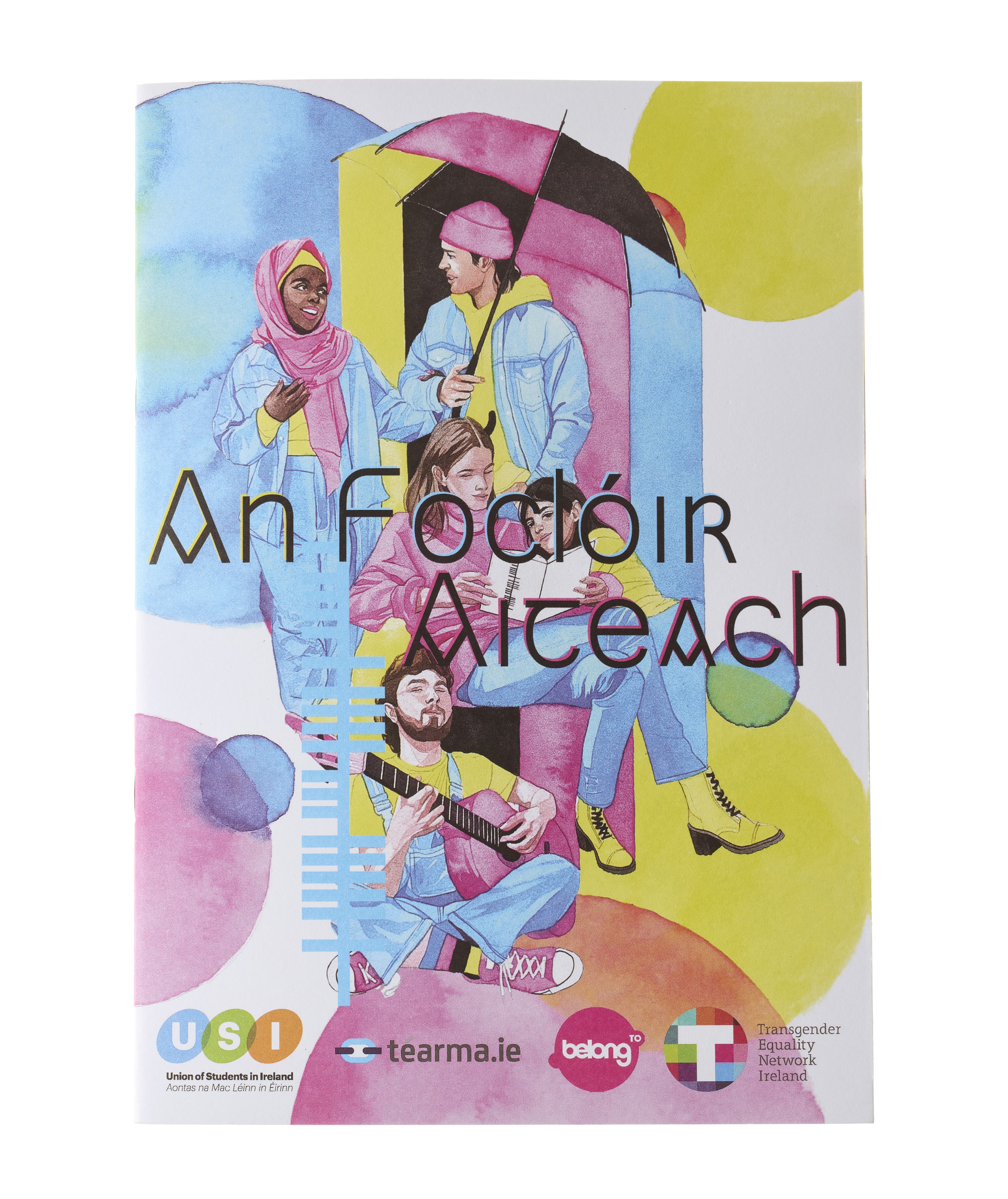
The second edition of An Foclóir Aiteach was released in 2022, the first official LADTA+/LGBTQIA+ Irish dictionary. It was the outcome of a grassroots project that worked to address the lack of Irish terminology in the LADTA+/LGBTQIA+ domain, and the authors recognise that it is a working document, that will evolve alongside the language.
.jpg "An Focloir Aiteach-(2).jpg")
Image Caption: An Foclóir Aiteach/The Queer Dictionary Front Cover
7. Blueshirt Tunic, Changing Ireland
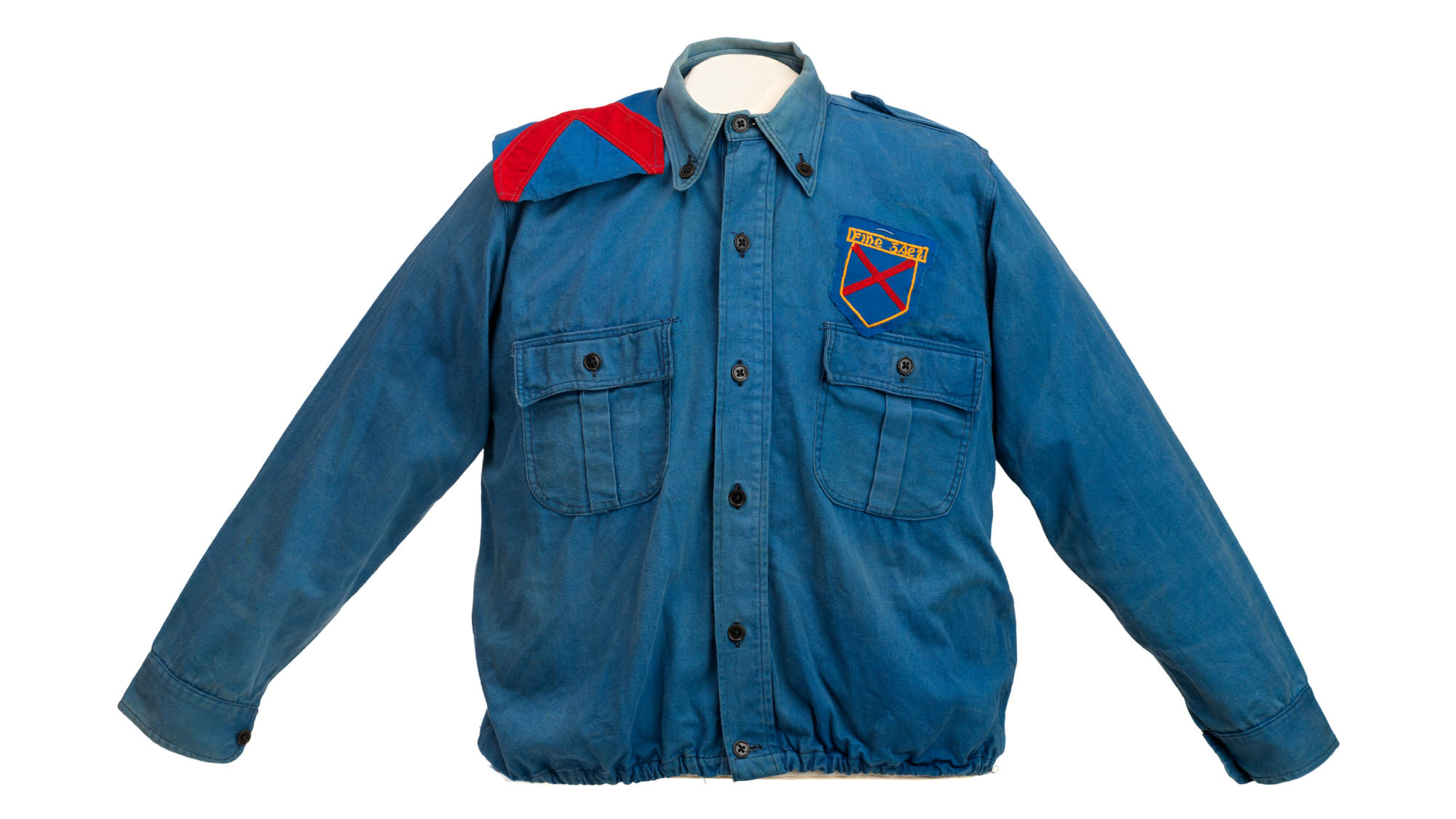
Headed by Eoin O’Duffy, An Garda Síochána was formally established in 1923 and at that time, took an active and hostile approach to policing sex. While O’Duffy was commissioner, 145 men were prosecuted for gross indecency or sodomy in Dublin. He subsequently led the Army Comrades Association, and this tunic belonged to a member of the junior section, the League of Youth.
.jpg "20250507_HA-2007-21_001_v3_16-9_2000px-(1).jpg")
Image: Shirt or tunic of the Blueshirts, or Army Comrades Association
8. Roger Casement’s Jacket, Changing Ireland
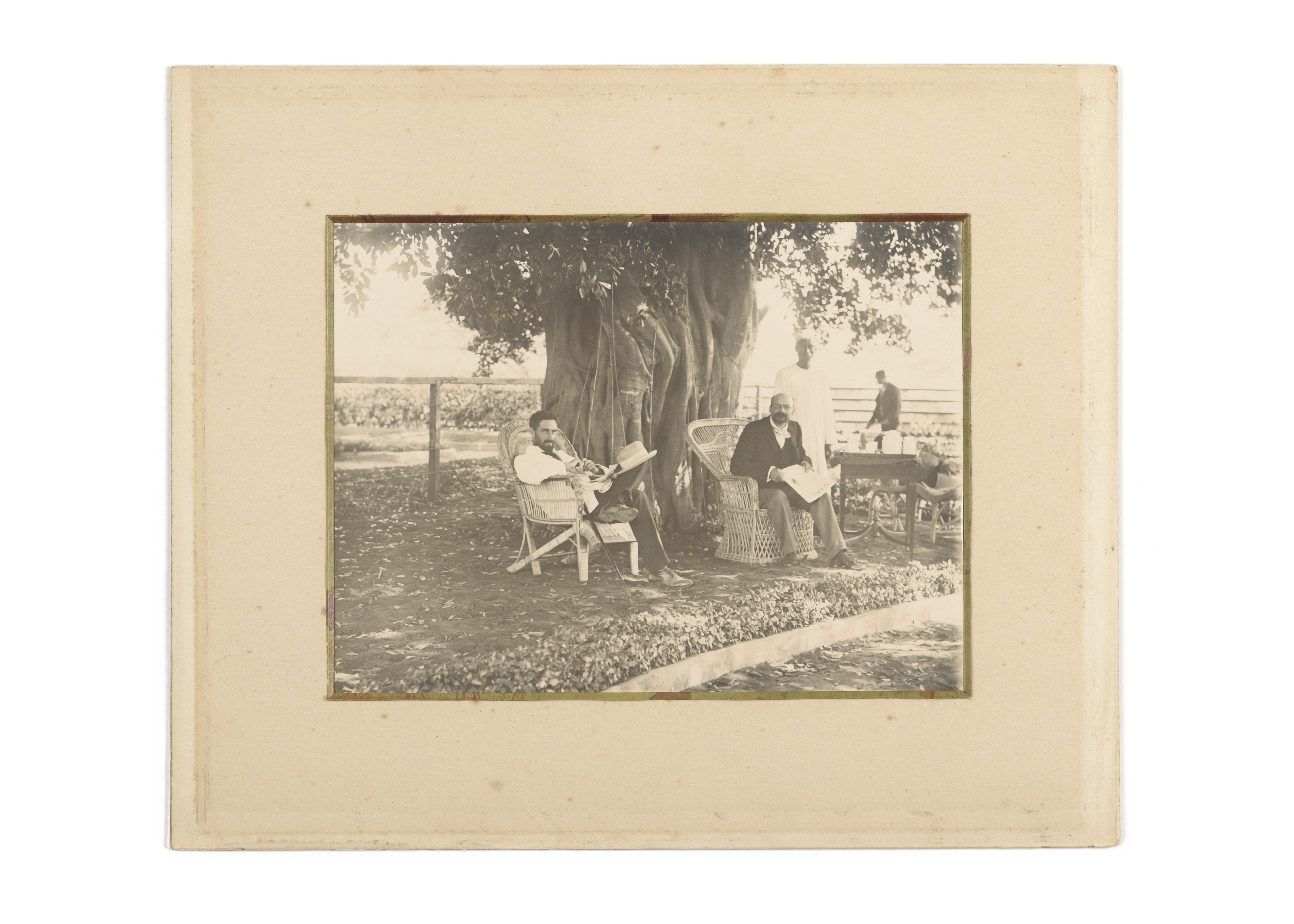
Roger Casement was an Irishman who worked as a consul for the British Colonial Services Office. As a human rights investigator, he exposed the barbaric treatment of workers on rubber plantations in both Congo and the Putumayo region of Peru. While working in these warm climates he would likely have worn this jacket. He became a fervent Irish nationalist and was executed for his involvement in the 1916 Easter Rising. The authenticity of his ‘black diaries’, which depict his homosexual activities has long been debated.
.jpg "20230320_HE-EW-4042_001_v2-(1).jpg")
Image: Casement in Putmayo, wearing the Báinín jacket.
9. Revolutionary Queers: Kathleen Lynn, Madelein french-Mullen, Elizabeth O’Farrell, Julia Grenan and Pádraig Pearse, Soldiers and Chiefs, Gallery 19
The 1916 Easter Rising was a seismic moment in Ireland’s campaign for independence. On our tour, we explore the lives and stories of some of the individuals who played key roles in this conflict, including Roger Casement, Elizabeth O’Farrell, Dr. Kathleen Lynn and Pádraig Pearse.
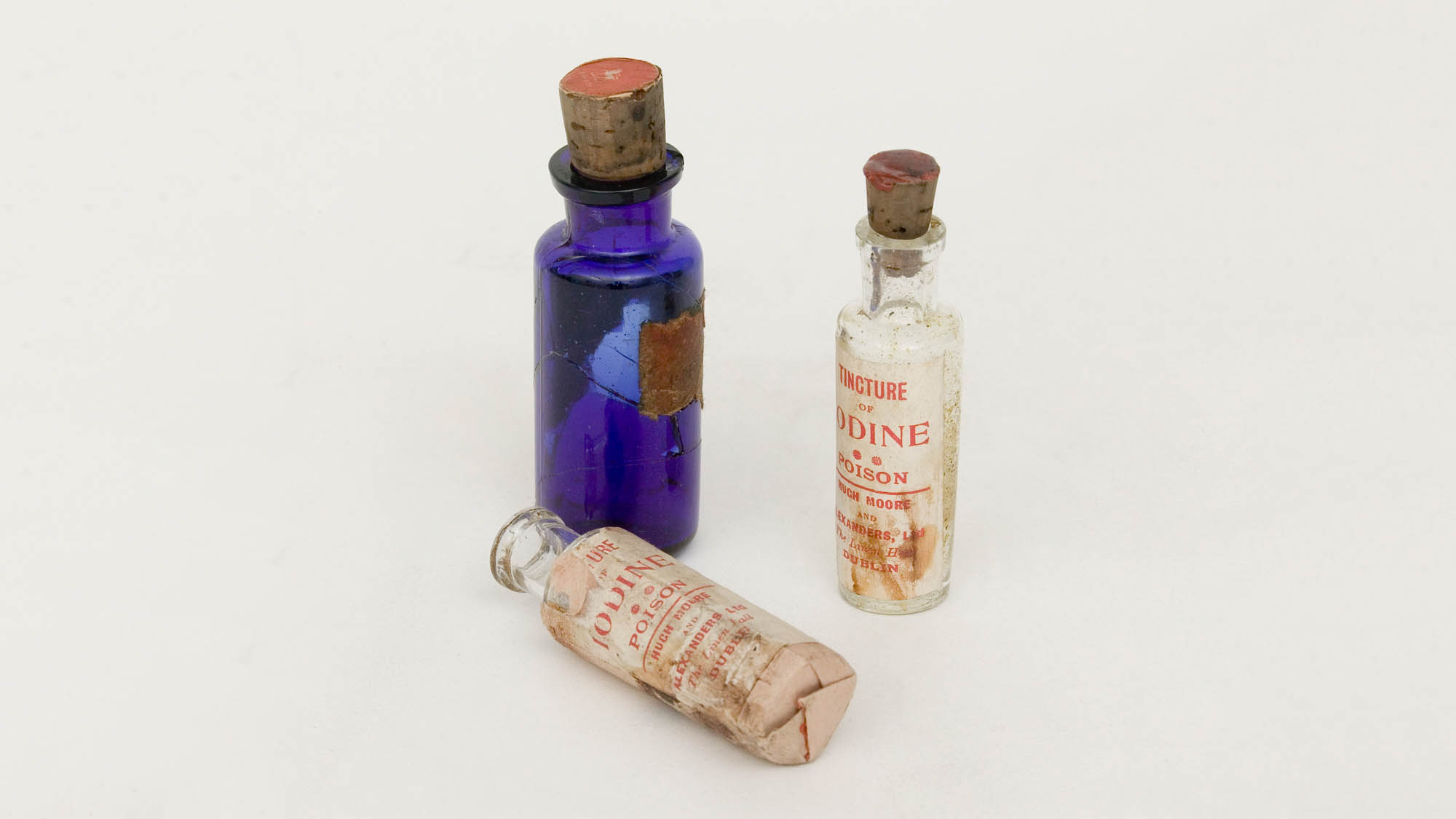
Image: Iodine bottles used by Dr. Kathleen Lynn during the 1916 Easter Rising
10. Katherine Zappone and Ann Louise Gilligan’s Wedding Dresses, Exhibiting the Nation
These two dresses were worn by Katherine Zappone and Ann-Louise Gilligan on their wedding day. Their story prompted many organisations to support the recognition of same-sex relationships, leading to Ireland becoming the first country in the world to legalise same-sex marriage by popular vote in 2015.
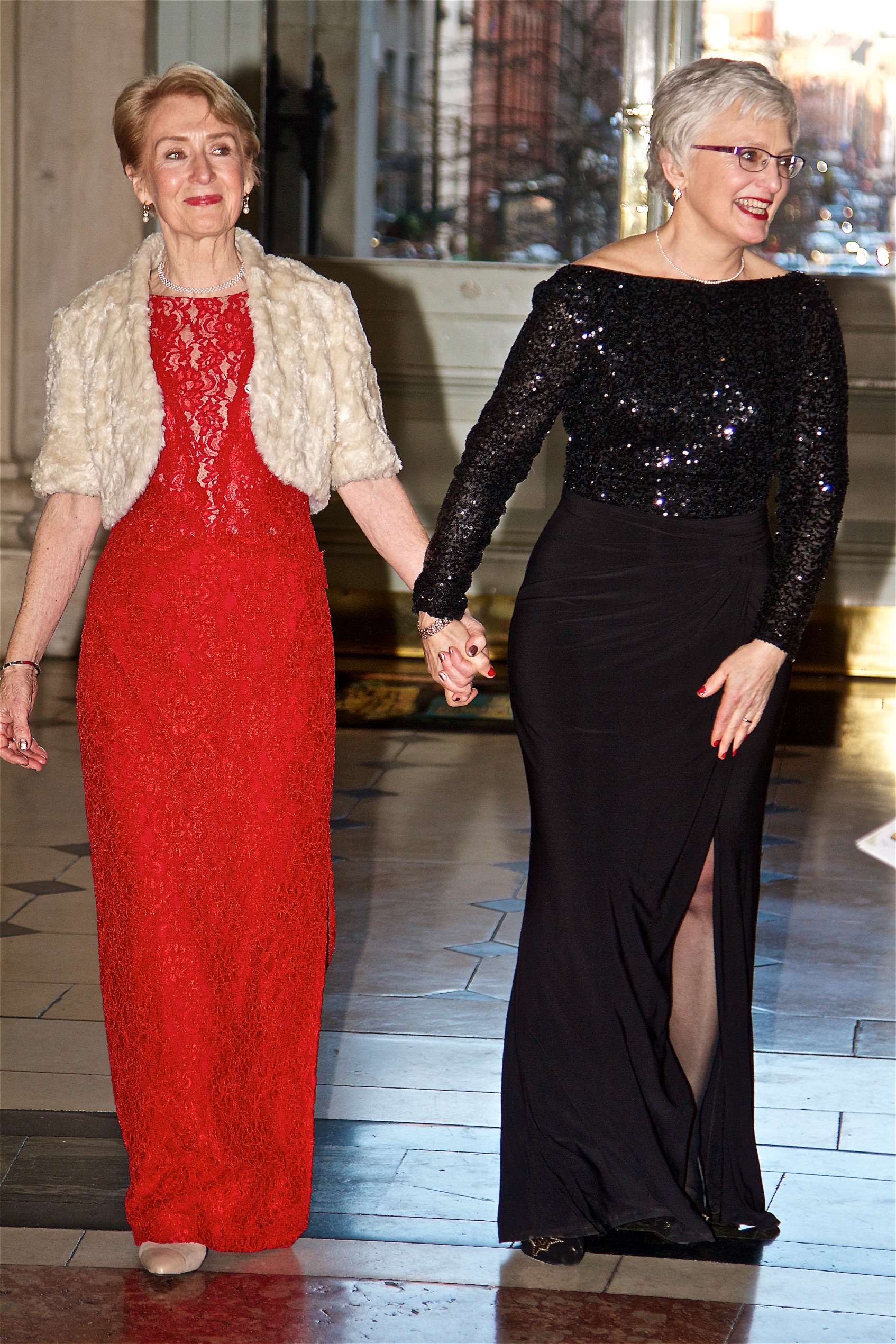
Image: Katherine Zappone and Ann Louise Gilligan’s in their Wedding Dresses
10.5. Trans Solidarity Badges, Exhibiting the Nation
Our tour concludes by discussing modern campaigns aiming to create a more open and inclusive society. Badges from the ‘Mammies for Trans Rights’ and ‘Limerick Together for Yes’ movements reflect the importance of allyship and solidarity between different groups and standing up for those who are the most marginalised in society.
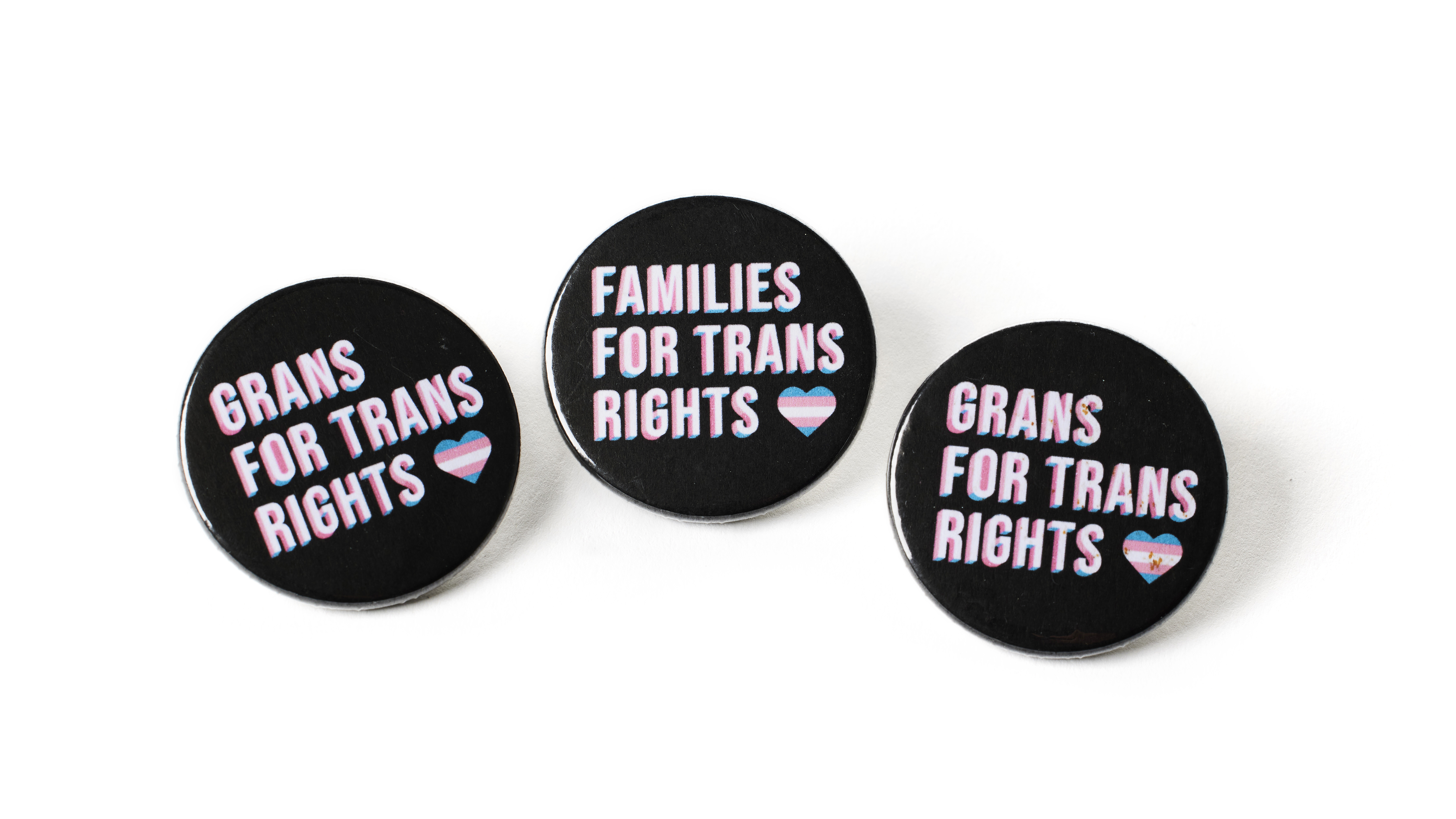
Image: 'Mammies for Trans Right' badges